How to Identify and Control Invasive Plants on Your Land
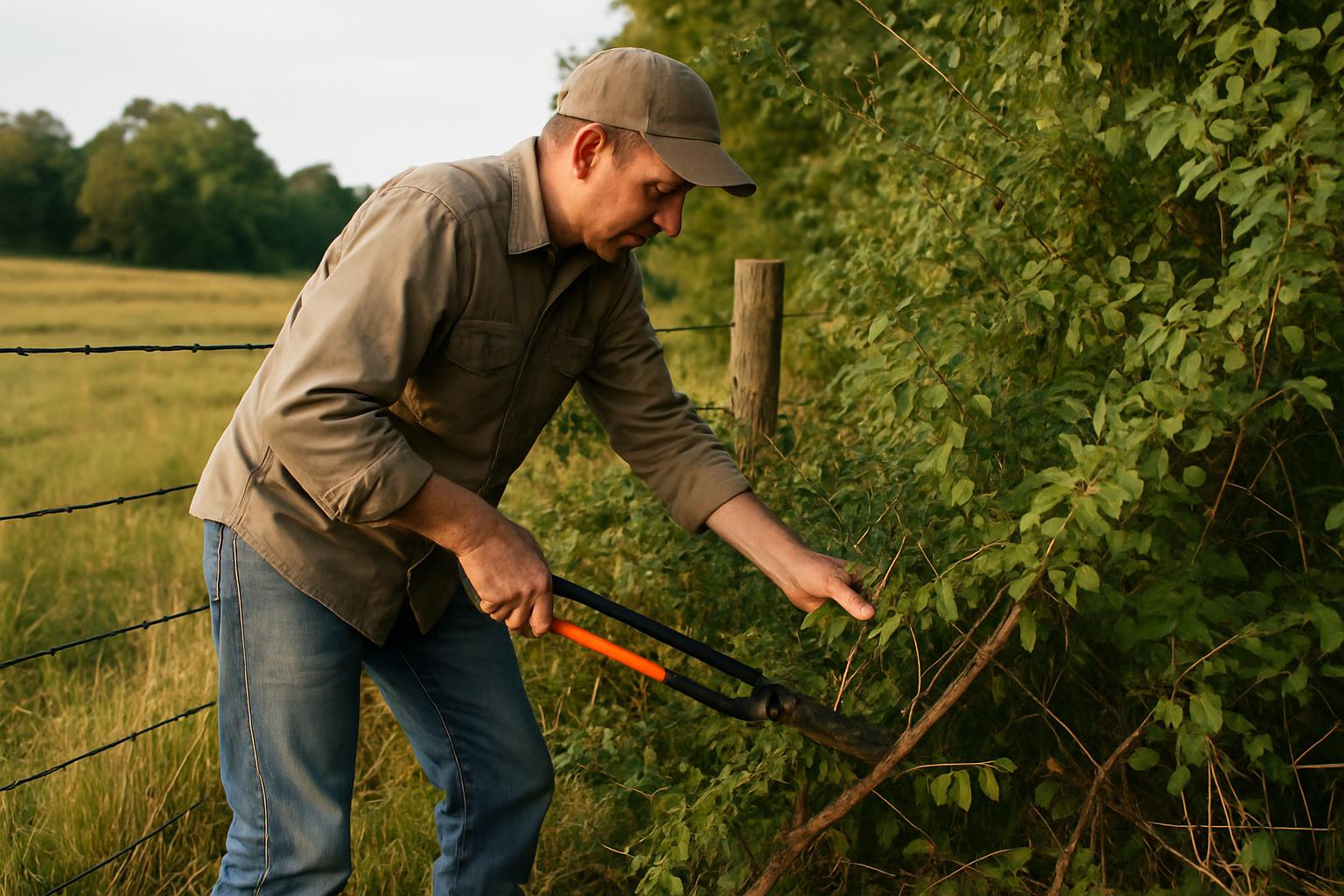
If you own land, chances are something invasive is already growing on it. Invasive plants are species that spread aggressively, crowd out native vegetation, and can permanently alter the character of your property. The problem is, many of them look harmless — or even attractive — when they first show up.
Left unchecked, invasive plants reduce forage quality for wildlife, displace native species that local animals depend on, and can lower your property's value. In some states, certain invasives are regulated, meaning you could face fines if you allow them to spread to neighboring land.
The good news is that most invasive plant problems are manageable if you catch them early and stay consistent.
Learn to Recognize the Most Common Offenders
The invasive species on your land depend on where you live, but a few appear across a wide range of regions in the United States.
Autumn Olive and Russian Olive — These fast-growing shrubs produce berries that birds spread everywhere. They can take over open fields and forest edges within a few years.
Japanese Knotweed — One of the more aggressive invasives you will encounter. It grows through pavement, can damage foundations, and is extremely difficult to eliminate once established. Even a small fragment of root can restart the plant.
Multiflora Rose — Common along fence lines and field borders. It forms dense thickets that are nearly impassable and shades out everything around it.
Garlic Mustard — A shade-tolerant biennial that takes over forest understories. It releases chemicals into the soil that inhibit native plants and the fungi that trees depend on.
Tree of Heaven — Fast-growing and prolific. It sprouts from stumps, produces thousands of seeds annually, and is difficult to kill without chemical treatment.
Your local cooperative extension office can give you a list of invasives specific to your county or region. That list is worth having before you start walking your land.
Walk Your Property Regularly
You cannot manage what you do not see. Walking your land at least twice a year — ideally in spring and late summer — gives you a chance to catch new infestations while they are still small.
Bring a field guide or use a plant identification app on your phone. When you find something unfamiliar, take a photo, note the location, and identify it before you decide what to do. Not everything unfamiliar is invasive, and some plants that resemble invasives are native species worth keeping.
Pay extra attention to disturbed areas: roadsides, fence lines, stream banks, and anywhere you have recently done grading or clearing. These are prime entry points for invasive species.
Start Small and Prioritize New Infestations
The biggest mistake landowners make is trying to tackle everything at once. A well-established, multi-acre infestation of autumn olive is a multi-year project. A single plant you spotted this spring is a ten-minute job.
Prioritize new infestations. If you find a plant that was not there last year, address it immediately. Dig it out by the root if possible, bag it, and dispose of it away from your land. Do not compost invasive plants — many can regrow from cuttings or spread via root fragments.
For older, more established patches, make a plan rather than attacking randomly. Work from the edges inward so you are not spreading seeds or root material as you move through the patch.
Manual, Mechanical, and Chemical Options
There is no single best method for controlling invasive plants. The right approach depends on the species, the size of the infestation, and your tolerance for using herbicides.
Hand-pulling and digging works well for small infestations and shallow-rooted plants. It is labor-intensive but leaves no chemical residue and is safe near water. For deep-rooted plants like knotweed or tree of heaven, pulling often stimulates more growth from the root system.
Cutting and mowing can suppress invasive plants and buy you time, but rarely eliminates them. Some species respond to cutting by sending up dozens of new shoots from the root crown. If you cut, plan to follow up with herbicide on the regrowth.
Herbicide treatment is often the most effective tool for established infestations. Glyphosate and triclopyr are the two most commonly used active ingredients for invasive shrubs and trees. Foliar spraying works on leafy species in summer; cut-stump treatment — applying herbicide directly to a freshly cut stump — is effective on woody plants in fall.
Always read the label. Herbicides near waterways require special formulations, and timing matters. If you are unsure, hire a licensed applicator for your first treatment and watch how they work.
Restore What You Remove
Removing invasive plants creates open ground, and open ground does not stay empty for long. If you do not fill it with something desirable, you may end up with a new invasive, or the old one re-establishing from seed or root fragments.
After clearing an area, consider seeding with native warm-season grasses and wildflowers suited to your region. Native plants are generally better for wildlife, require less maintenance once established, and are less hospitable to many invasives. Your local extension office or a native plant nursery can recommend species that will thrive on your specific land. For a focused guide on establishing the right woody species, see How to Plant Native Trees for Wildlife Habitat on Rural Property.
Keep Records
Write down what you found, where you found it, what you did, and when. A simple notebook or a note on your phone is enough. Records help you track whether your control efforts are working and remind you which areas need follow-up the following season.
Invasive plant control is rarely a one-and-done effort. Most species require two to three years of consistent treatment before you see real results. Records keep you honest about whether you are actually making progress.
Look Into Cost-Share Programs
Many county conservation districts, state forestry agencies, and land trusts offer cost-share programs for invasive plant control. Some will provide herbicide, equipment, or even labor at reduced or no cost to private landowners, particularly if your property provides habitat or watershed value.
It is worth making a phone call before you spend money on materials. The programs vary by state and change year to year, but they are underused and the people running them are usually glad to help.
Managing invasive plants is one of the more frustrating parts of land ownership, but it is also one of the most impactful things you can do for the long-term health of your property. Start small, stay consistent, and do not let a bad year discourage you. The land responds to attention.
Stop Seeing Deer Only at 2 AM — Get the Free 10-Point Habitat Fix
Your property has specific, fixable gaps — and most 1–50 acre hunters never find them. This free checklist pinpoints exactly what's missing and tells you what to change first so deer start showing up when you can actually hunt them.
- ✓ The food plot timing that pulls deer into daylight hours
- ✓ How to build bedding cover with just a chainsaw (no equipment needed)
- ✓ Stand placement mistakes silently blowing out your property
- ✓ The #1 pressure rule most hunters skip — and deer remember
- ✓ Low-pressure access routes most small acreage owners never plan