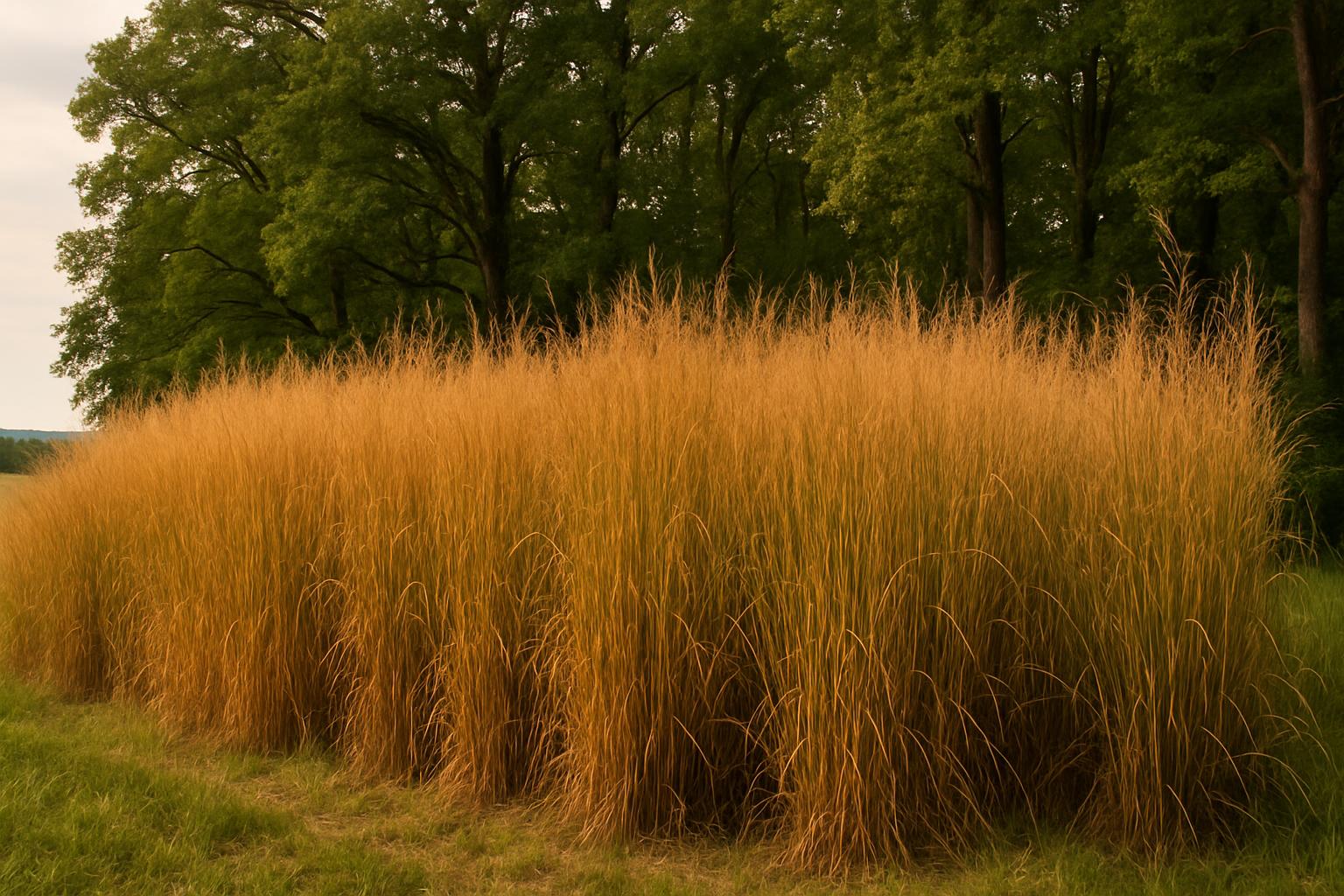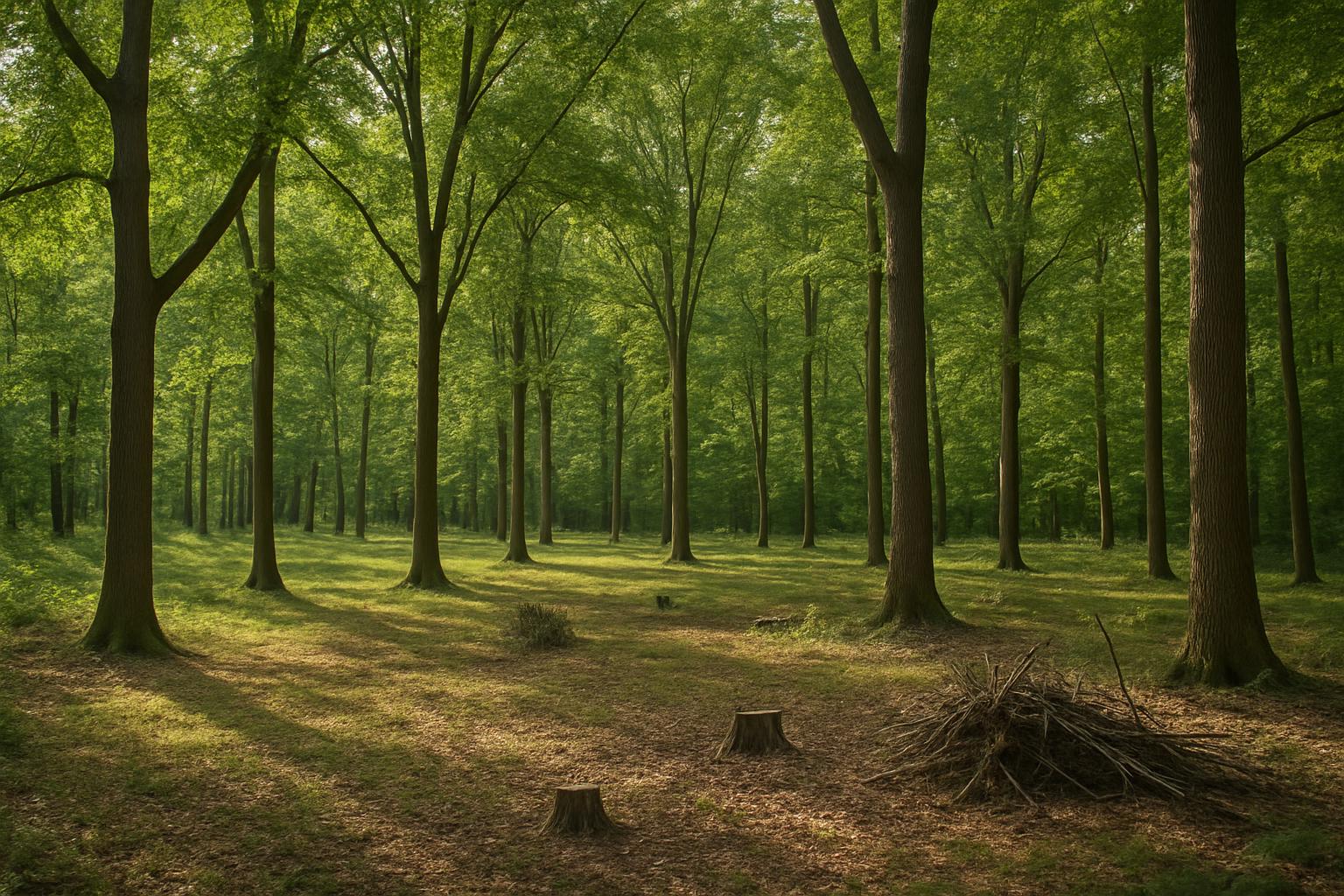
5/29/2026
Imagine this: a dense tangle of growth obscuring your once-beautiful woodlot, making it nearly impossible to walk through, let alone enjoy. You know the...
Read full post →
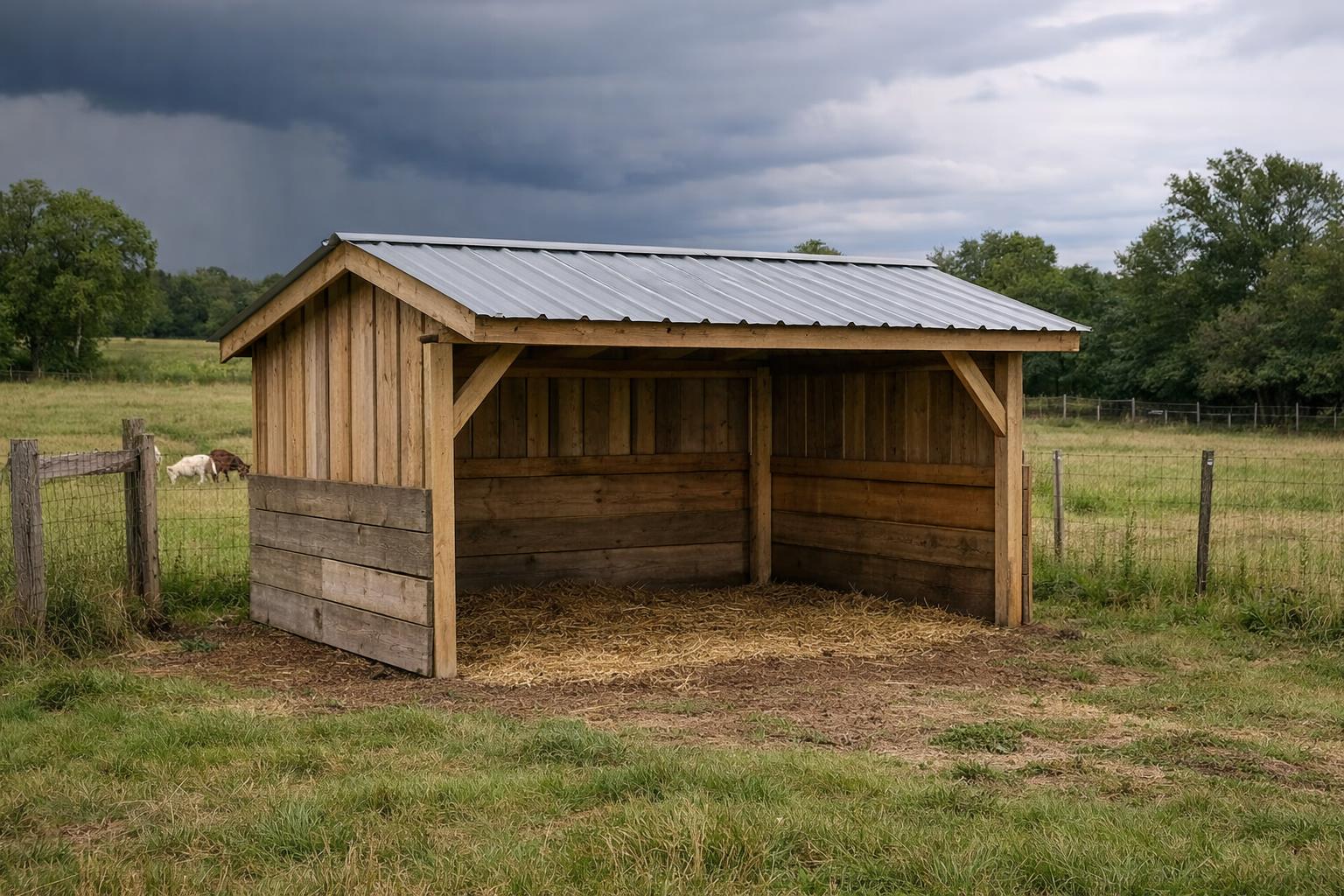
5/29/2026
Imagine a sudden storm rolling in while your goats or sheep are grazing, leaving you scrambling to provide them with shelter. If you're managing a small...
Read full post →
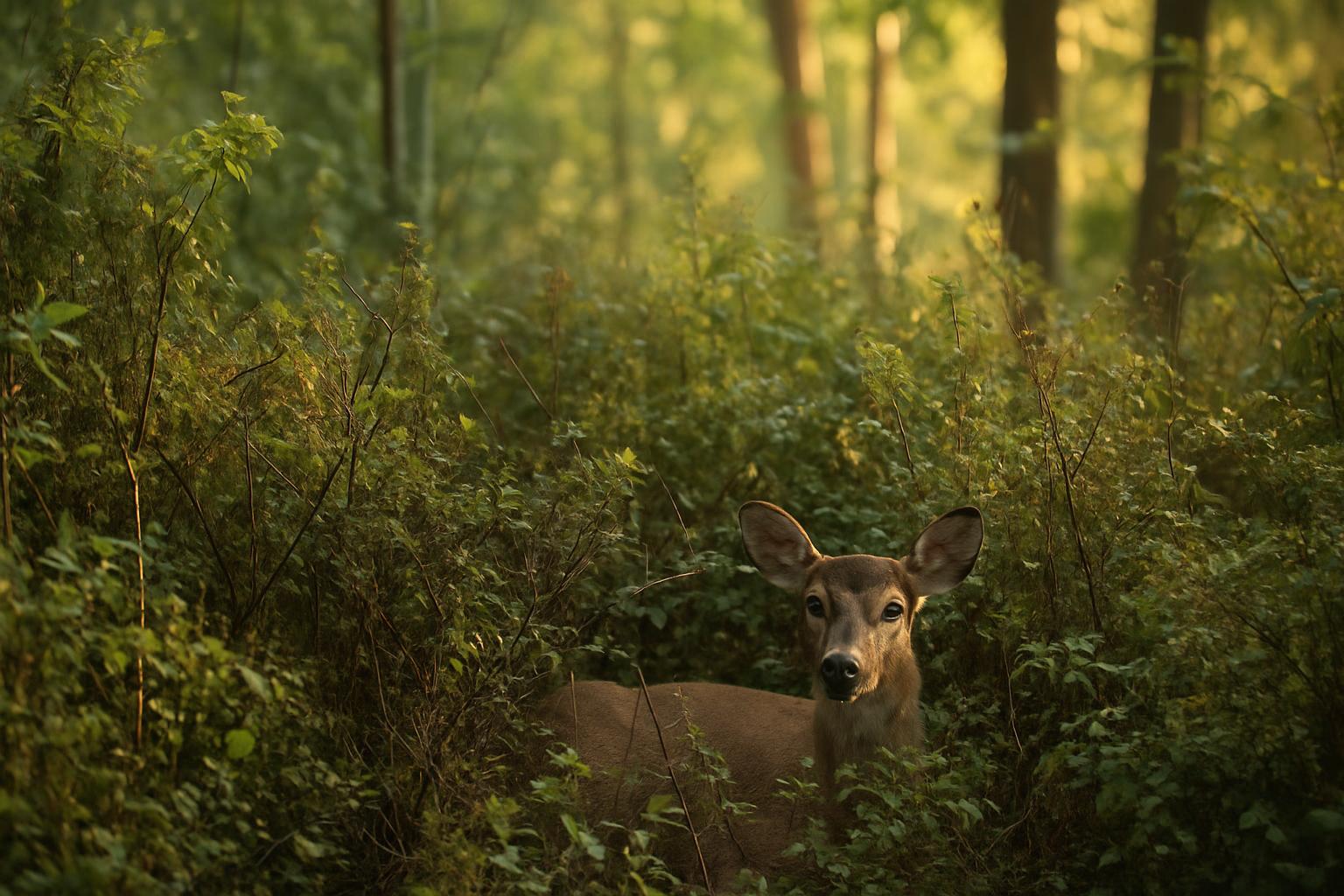
5/9/2026
If deer are moving through your property at night but disappearing by dawn, the problem is usually bedding cover — or the lack of it. On 5 to 50 acres, adding even a quarter-acre of dense, undisturbed cover can shift deer from treating your land as a corridor to using it as a home base. This guide covers the fastest and most cost-effective methods for creating quality bedding cover, whether you're starting from open ground or improving what's already there.
Read full post →
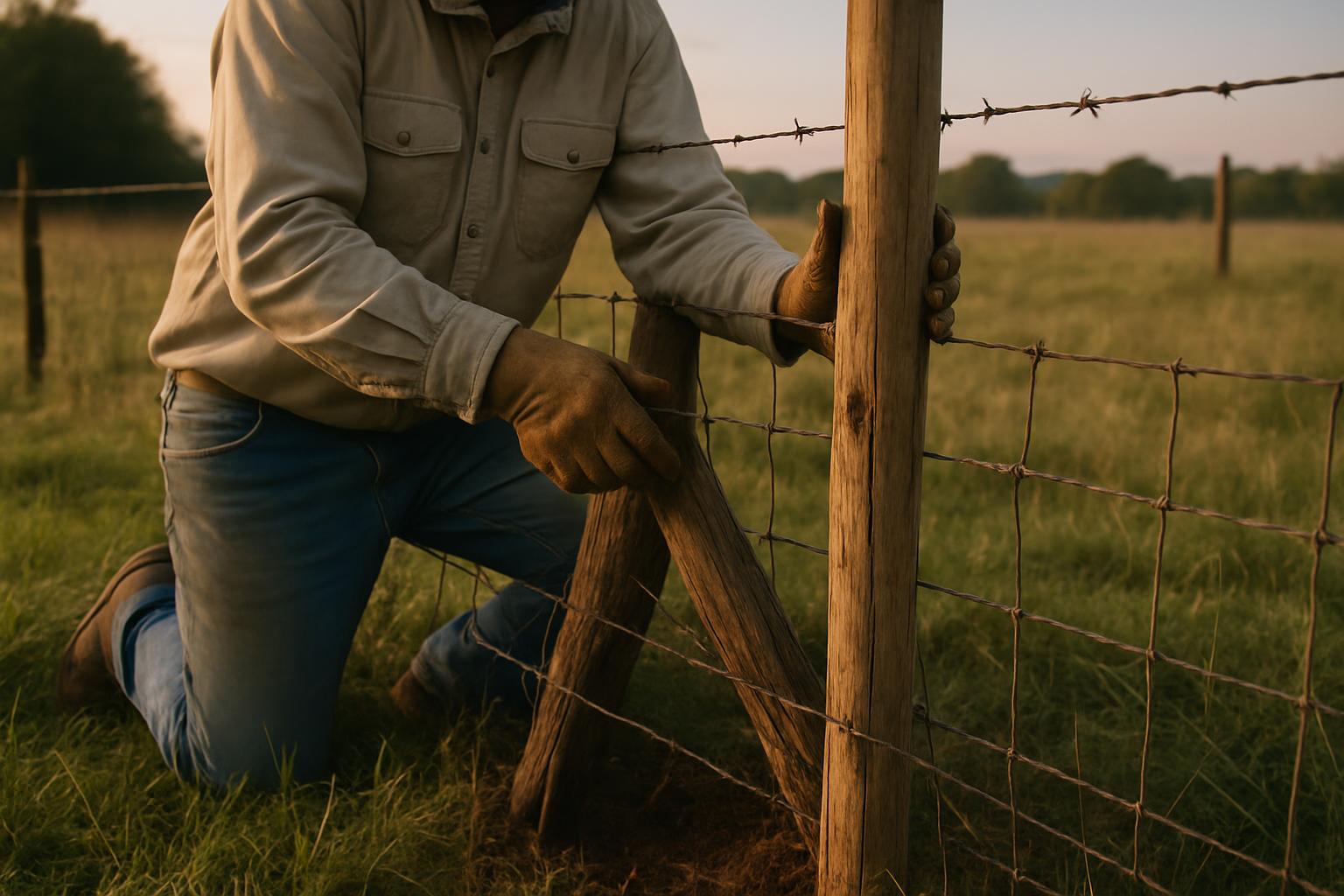
4/27/2026
A downed pasture fence discovered at sunrise — with livestock already wandering the road — is one of the most costly surprises for small acreage landowners. This guide shows you exactly how to walk your fence line, spot problems before they become emergencies, and make lasting repairs without a full crew.
Read full post →
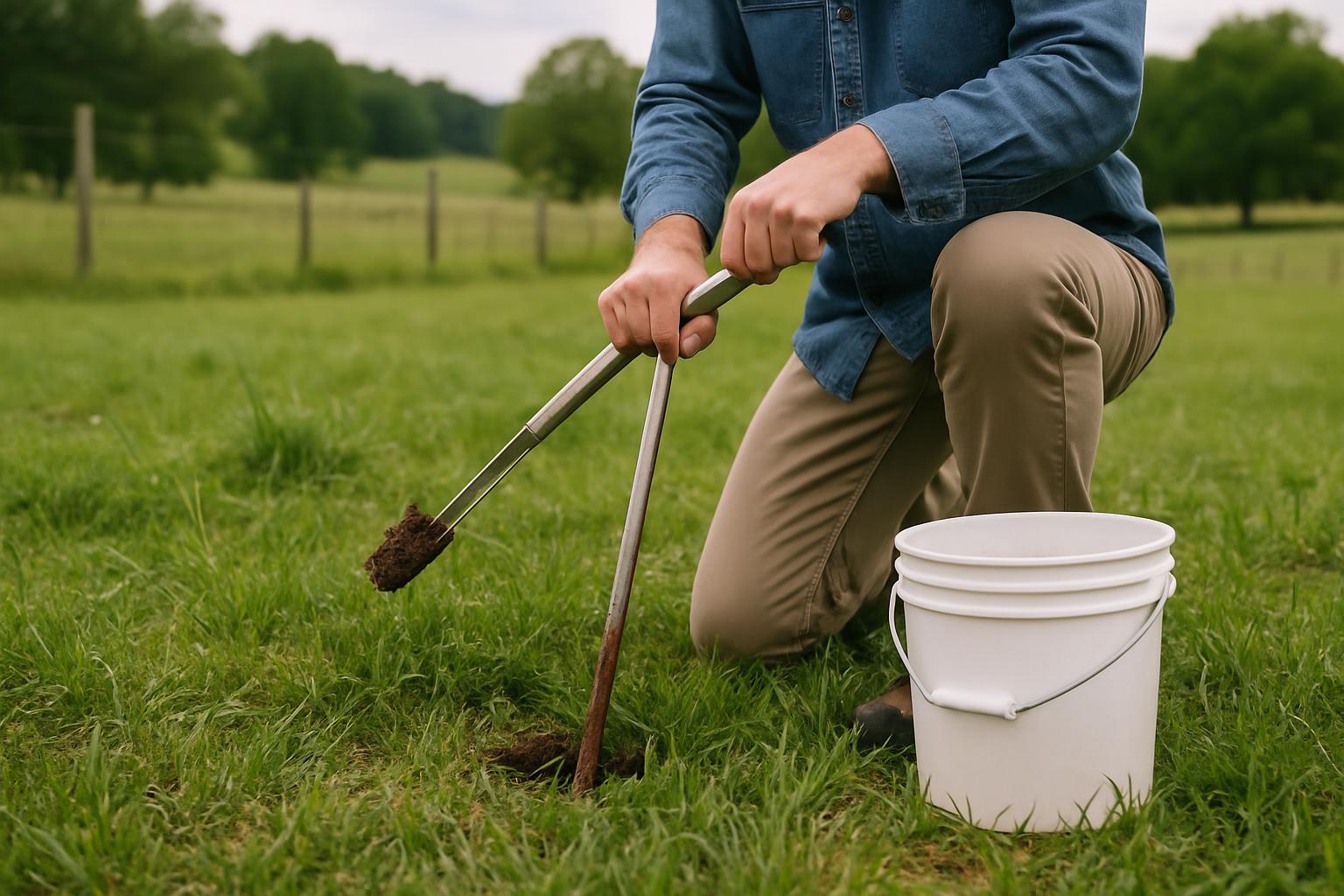
4/27/2026
Most small acreage landowners are fertilizing blind — spending money on lime and seed without knowing what the soil actually needs. A $20 soil test tells you exactly what's missing, which inputs to buy, and which ones to skip. Here's how to sample, read the results, and act on them.
Read full post →
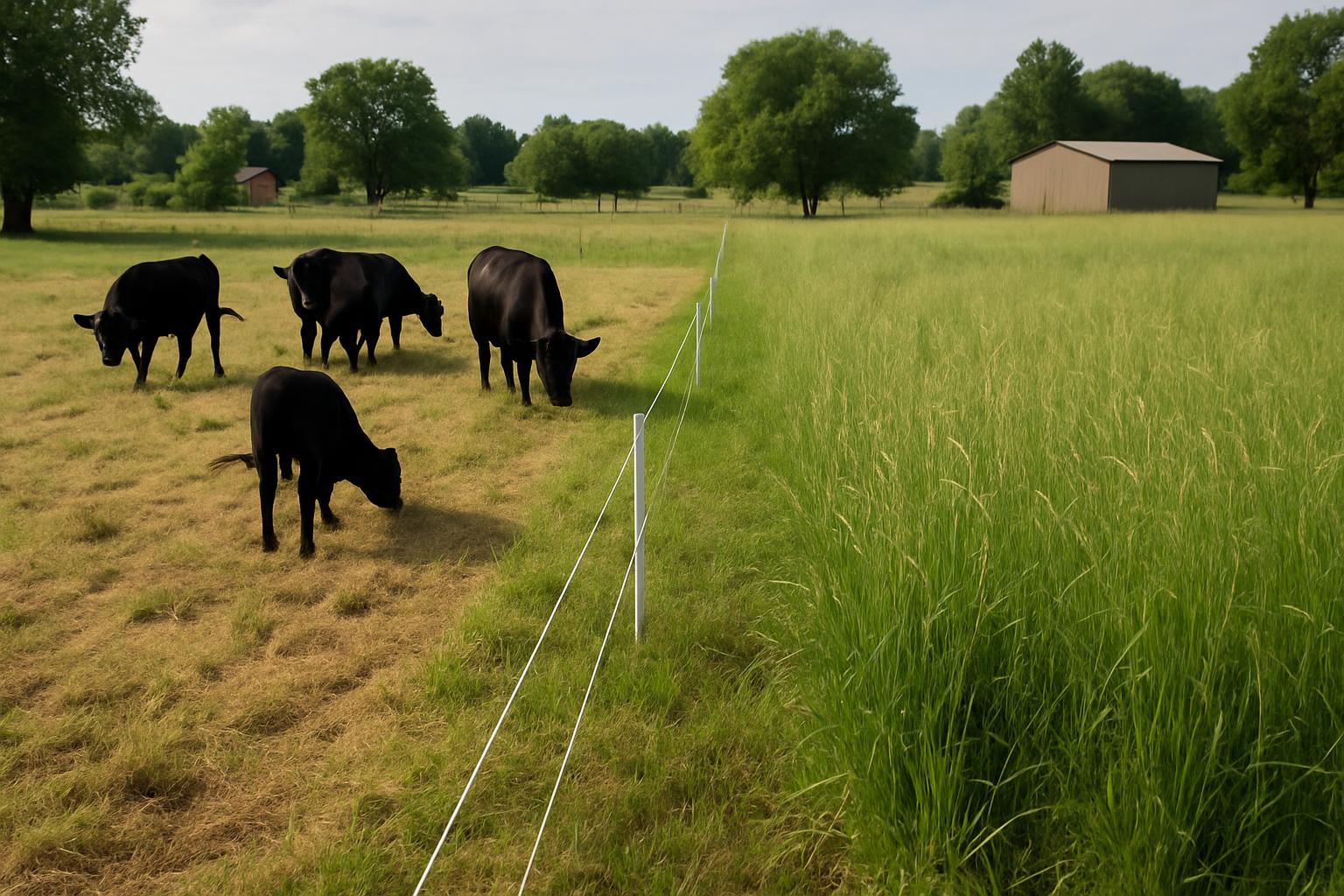
4/27/2026
If your small pasture looks overgrazed in some spots and weedy in others, the fix isn't more fertilizer — it's a rotation schedule. This guide shows you how to divide your acreage, set rest periods, and move livestock at the right time so your grass recovers fully between grazings.
Read full post →
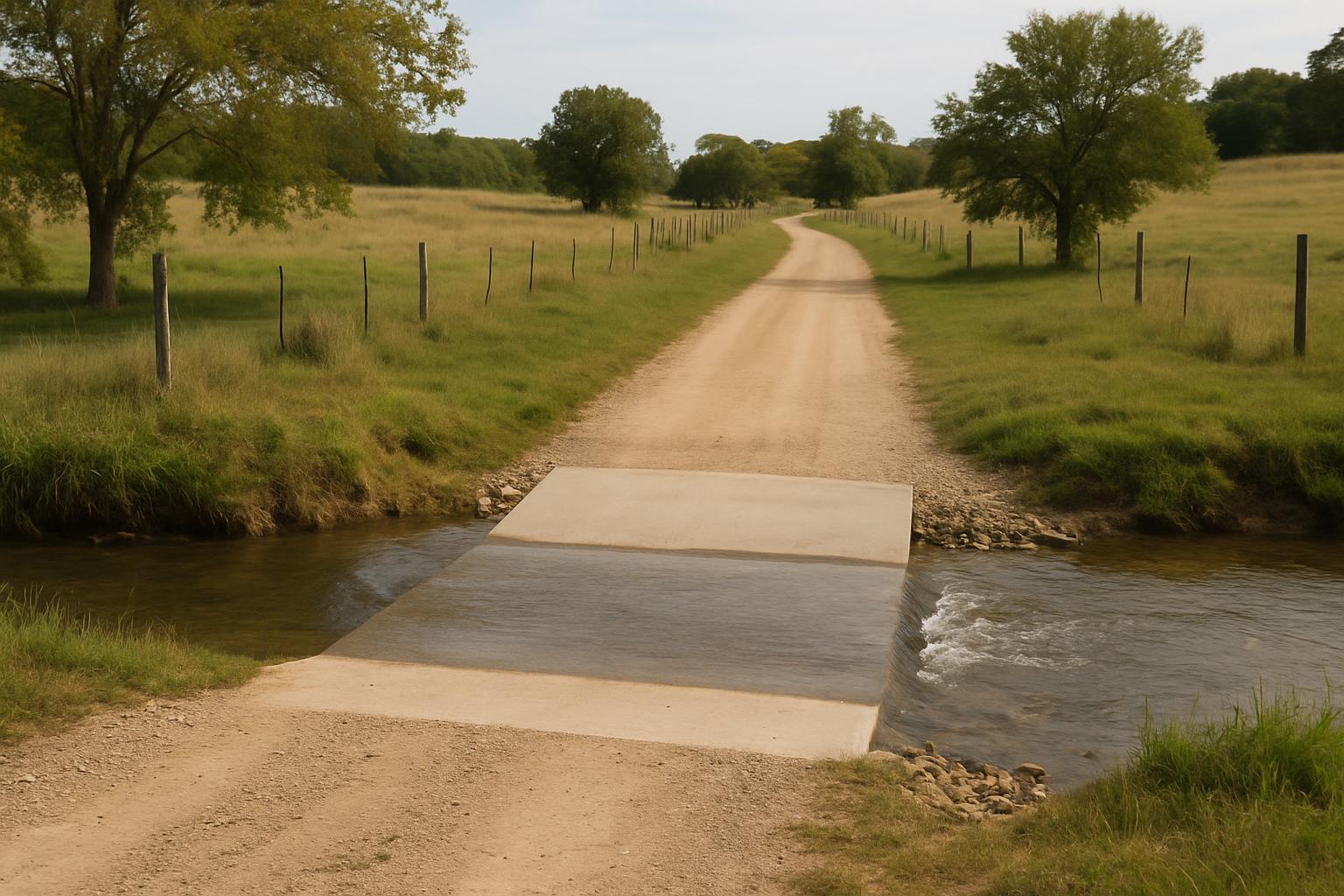
4/27/2026
A seasonal creek that cuts through your property can turn a 5-minute drive into a 45-minute detour every spring — or strand your tractor on the wrong side of the fence during hay season. A properly built low-water crossing gives you reliable access year-round without the cost or permitting complexity of a culverted bridge.
Read full post →
4/27/2026
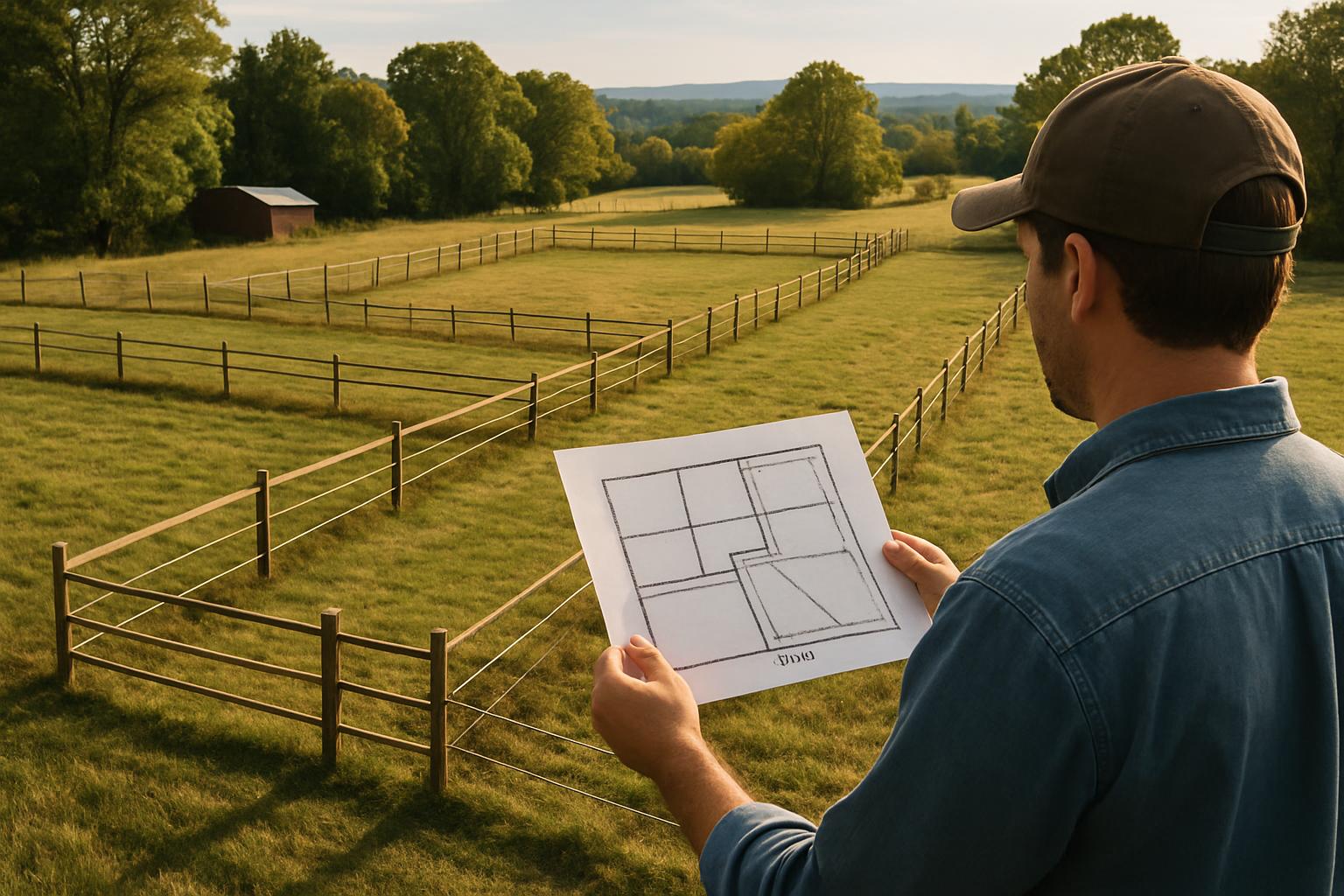
A poorly planned fence costs two to three times more to build and maintain than one laid out with a clear purpose in mind. This guide walks you through reading your land, choosing the right fence type for each zone, and laying out a system that works for livestock, wildlife, and long-term land management.
Read full post →
4/27/2026
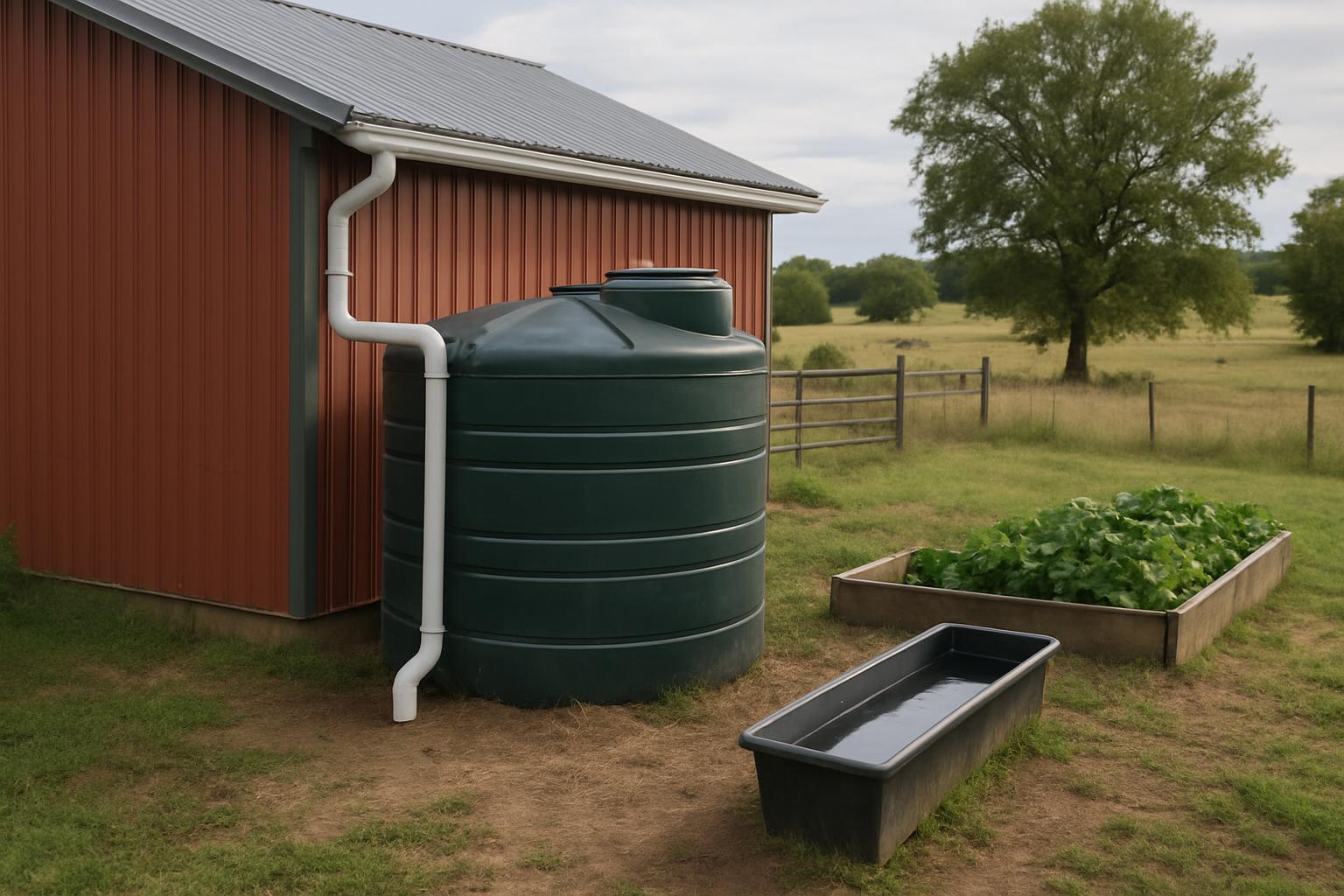
A 1,500-square-foot barn roof can collect over 900 gallons from a single inch of rain. This guide shows small-acreage landowners how to capture, store, and use that water for livestock troughs and garden irrigation — cutting well use and keeping animals watered even in dry spells.
Read full post →
4/27/2026
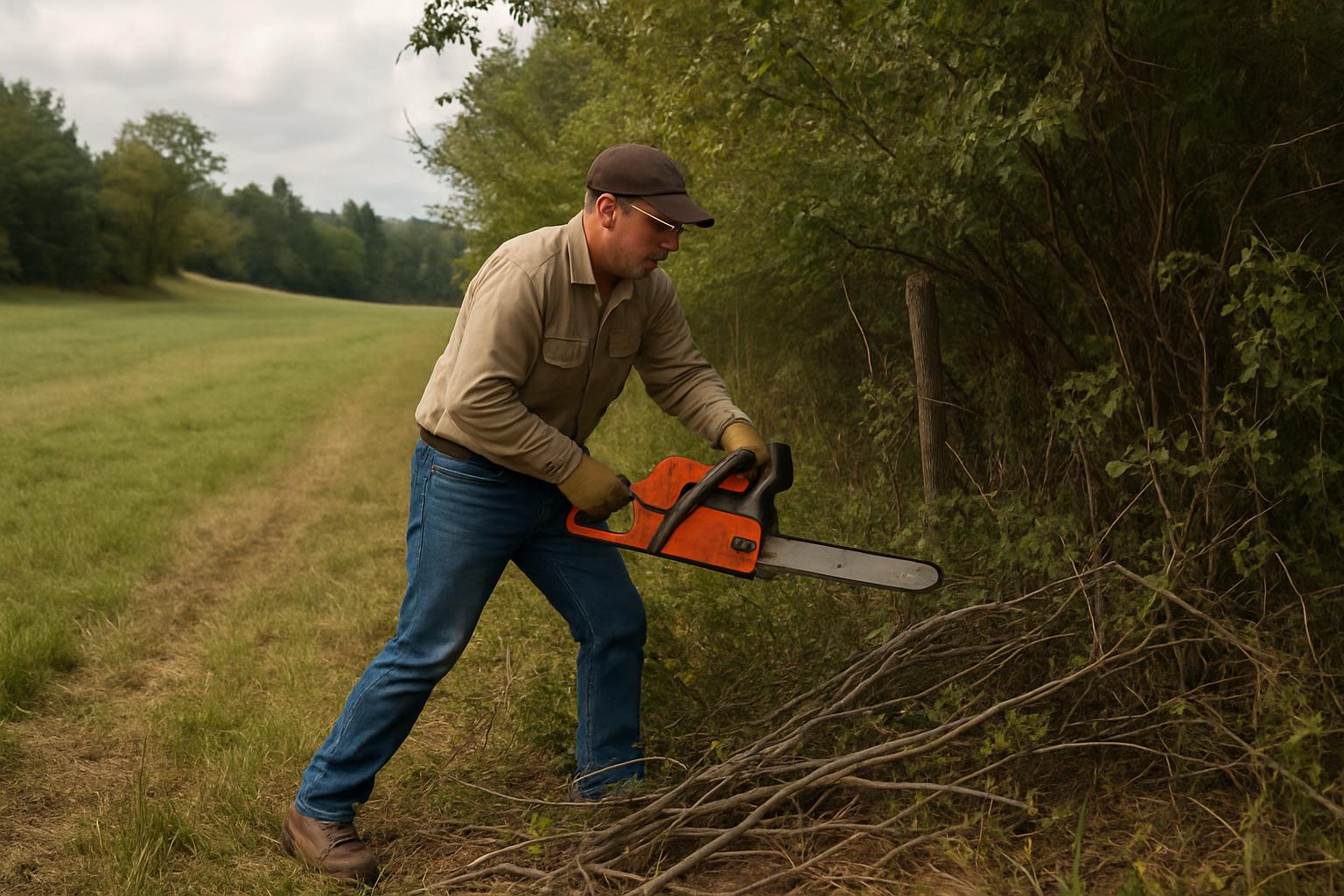
Overgrown brush steals pasture, hides fence lines, and creates habitat for pests. This guide shows you how to reclaim up to 10 acres of brushy ground using tools you already own or can rent for under $200 a day — no dozer required.
Read full post →
4/27/2026
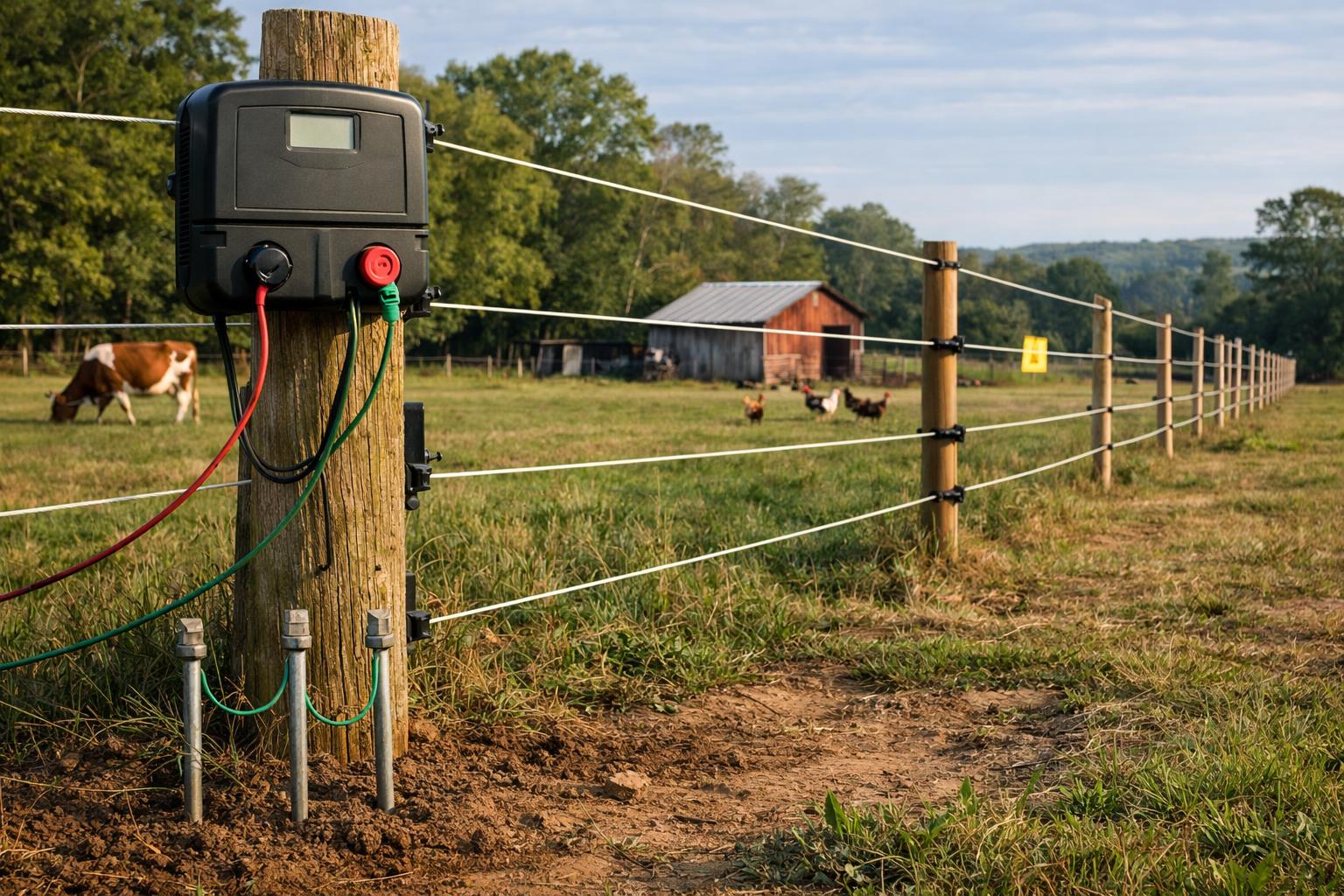
A poorly installed electric fence won't keep livestock in or predators out — and you'll find out the hard way at the worst possible time. This guide covers everything you need to get a reliable, cost-effective electric fence up on 1–50 acres, from energizer sizing to grounding, post spacing, wire height, and the common mistakes that make fences fail.
Read full post →
4/27/2026
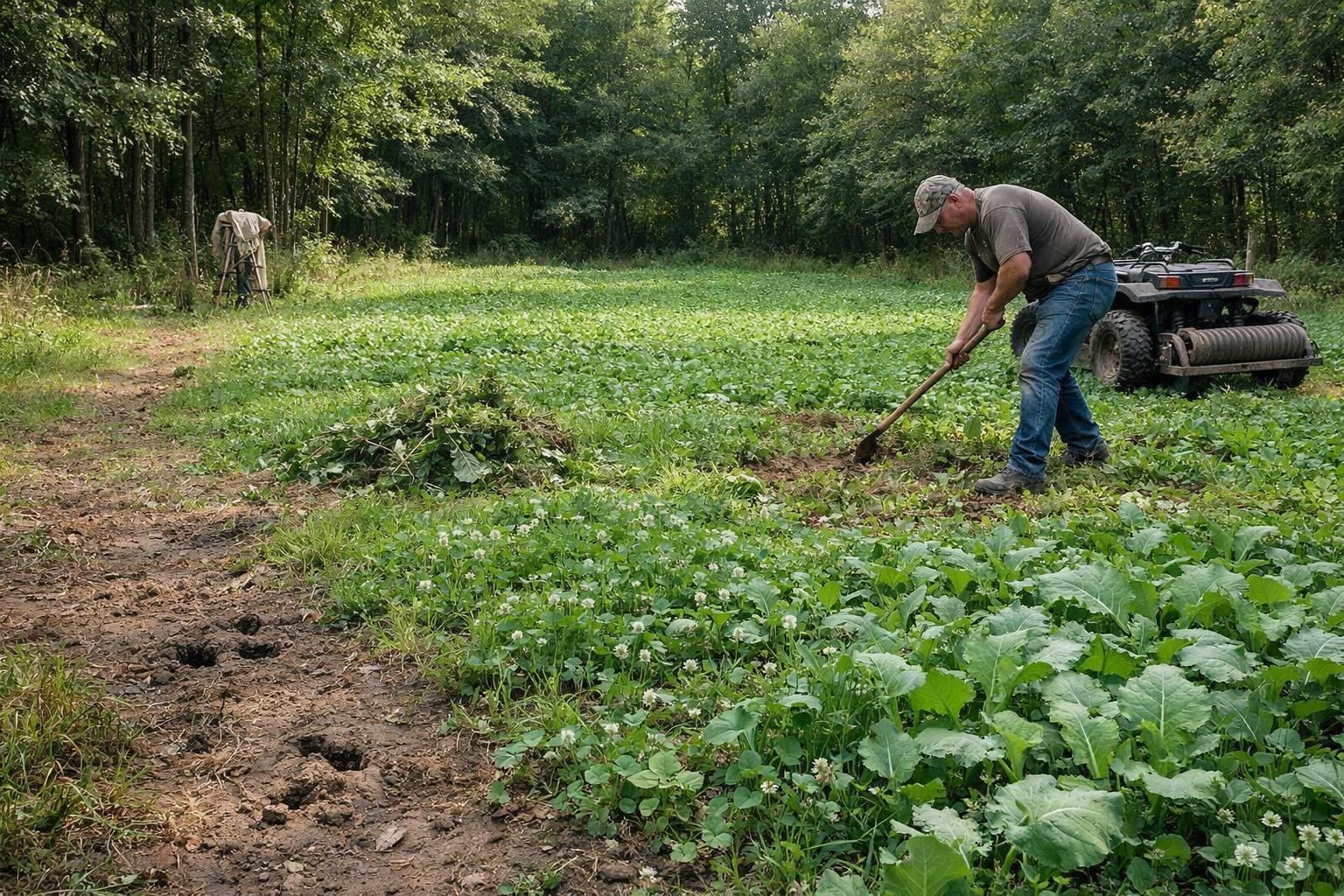
Herbicides are convenient but expensive, require licensing in some states, and leave residues that can set back your plot's seed germination. Small-acreage landowners managing 1- to 5-acre food plots have better options: mechanical controls, strategic timing, cover cropping, and smart species selection that out-compete weeds without reaching for the spray tank.
Read full post →
4/27/2026
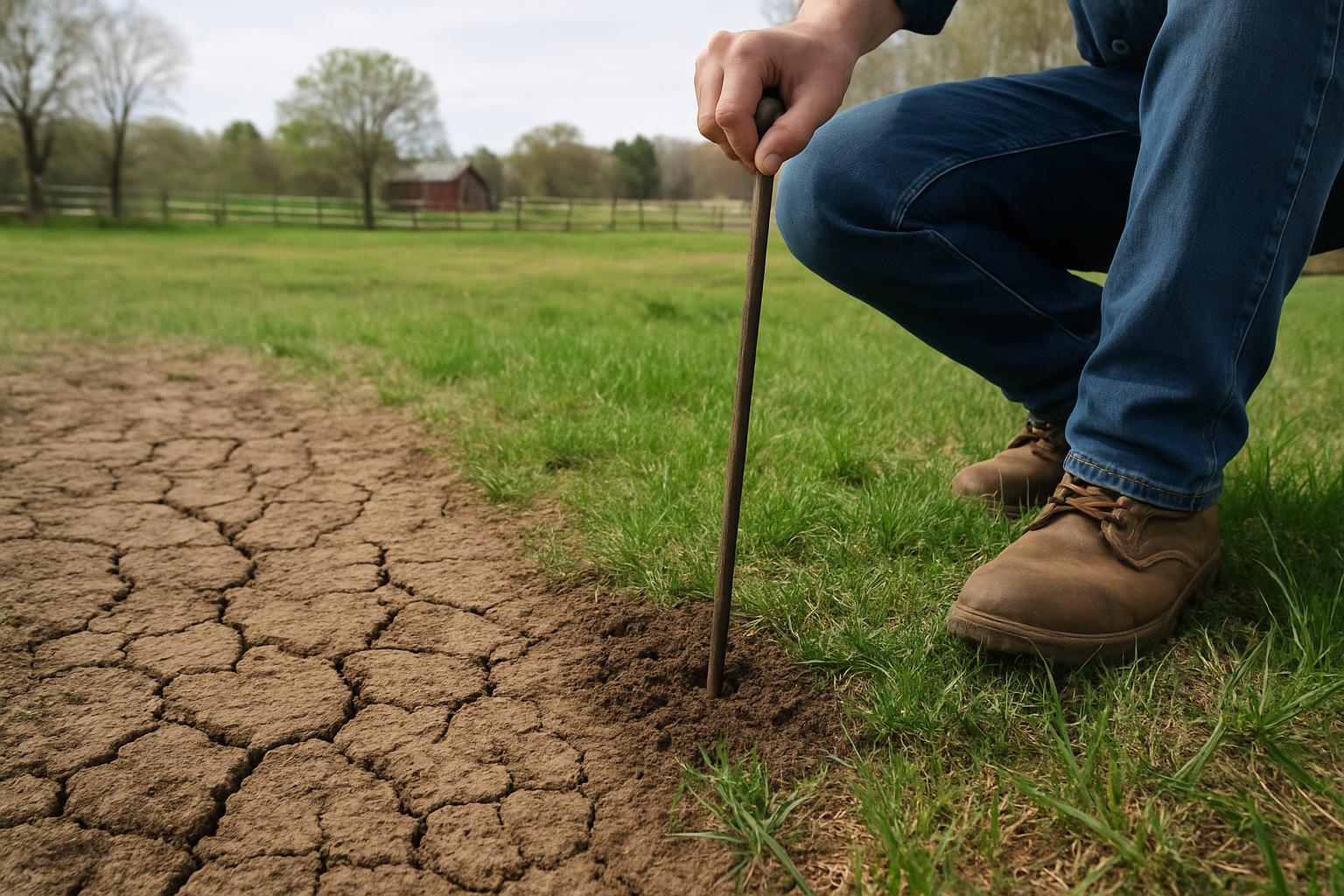
Compacted soil kills pasture productivity faster than drought or poor seed selection. If your small pasture looks thin, drains poorly, or barely recovers after grazing, compaction is likely the culprit — and fixing it doesn't require expensive equipment or agronomists.
Read full post →
4/27/2026
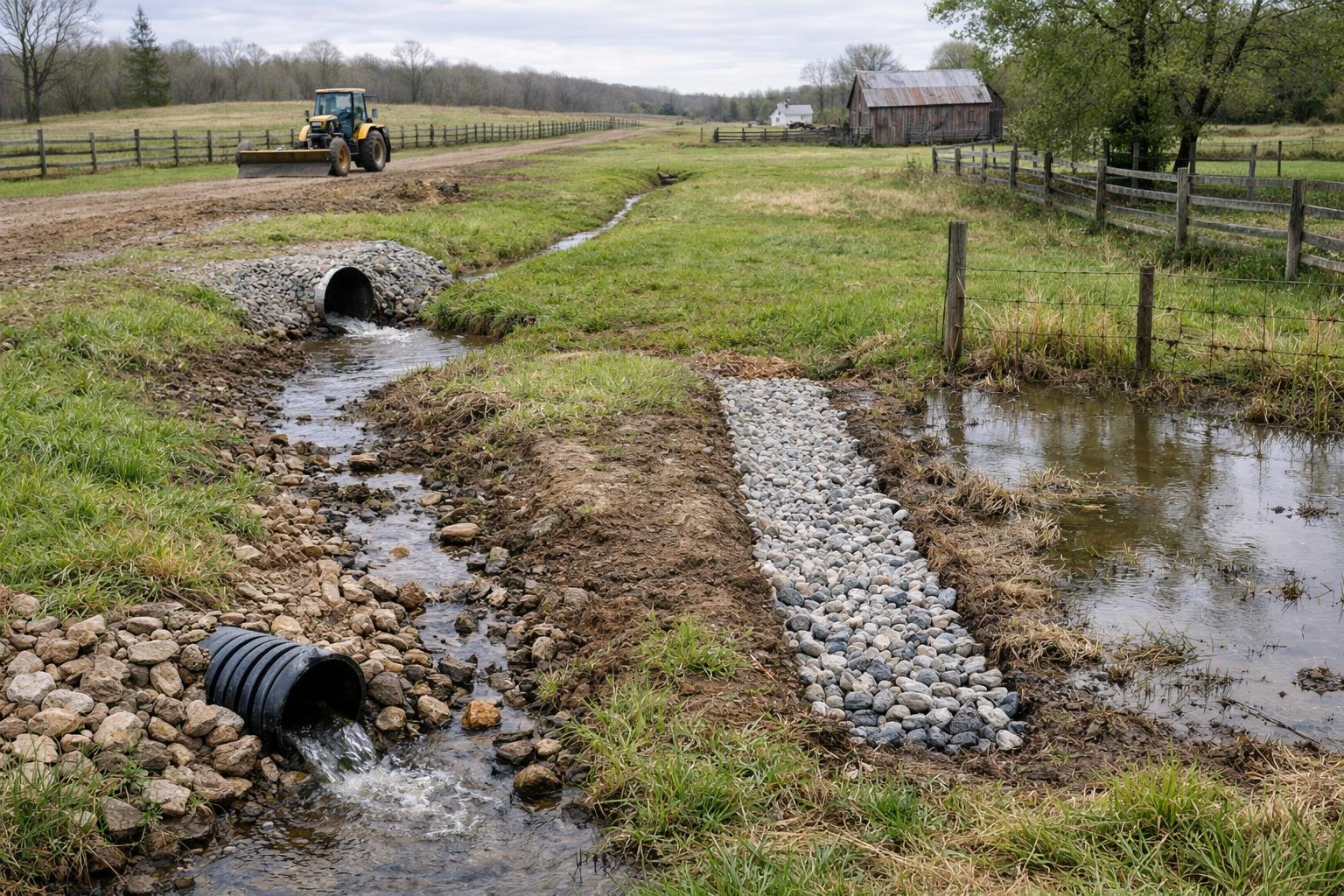
Standing water and boggy soil kill pasture productivity, rot fence posts, and turn useful land into a seasonal mess. This guide walks you through diagnosing drainage problems on small acreage and choosing the right fix — whether that's a surface ditch, a french drain, a culvert, or strategic regrading — so your land stays workable year-round.
Read full post →
4/26/2026
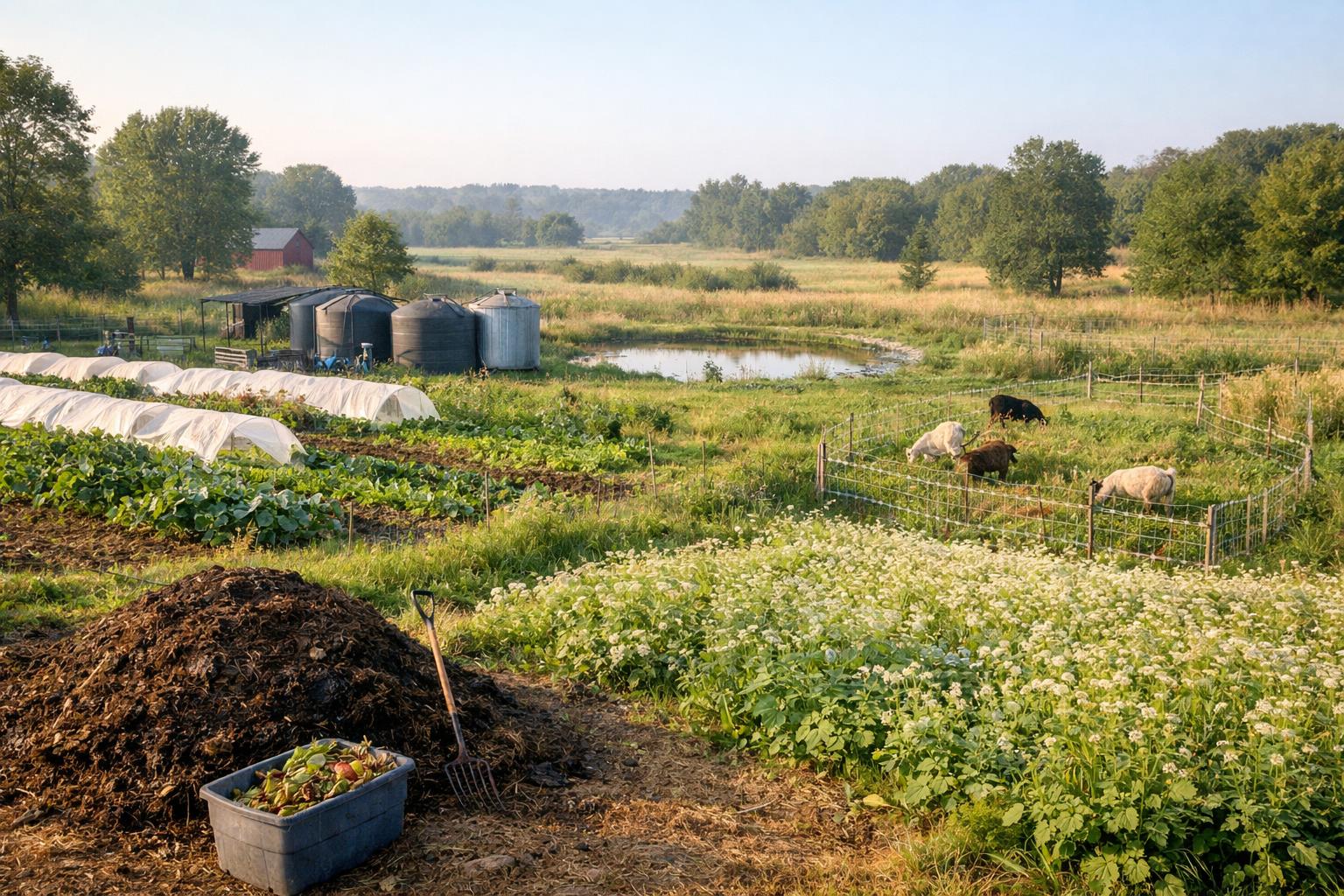
Small farms don't need large budgets or heavy equipment to build lasting soil health and reliable yields. These practical techniques — from cover cropping and composting to rotational grazing and water harvesting — help small-scale growers work with the land instead of against it.
Read full post →
4/26/2026
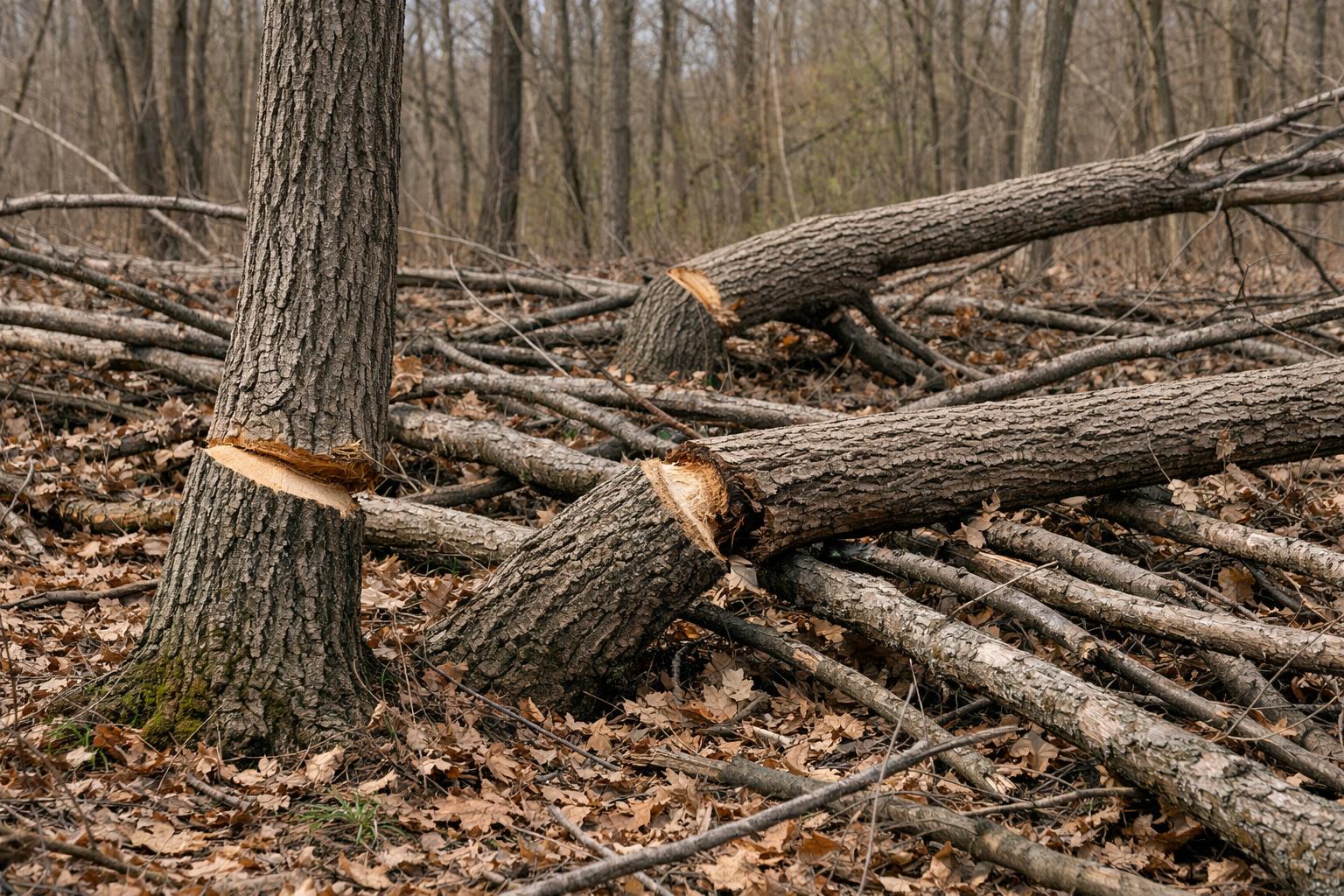
Hinge cutting is one of the most cost-effective habitat improvements a small acreage landowner can make. A chainsaw, a few hours, and the right technique can transform an open woodlot into thick bedding cover that holds deer on your property year-round. This guide covers when to cut, what to cut, and how to lay out hinge cuts to build the structure deer actually use.
Read full post →
4/26/2026
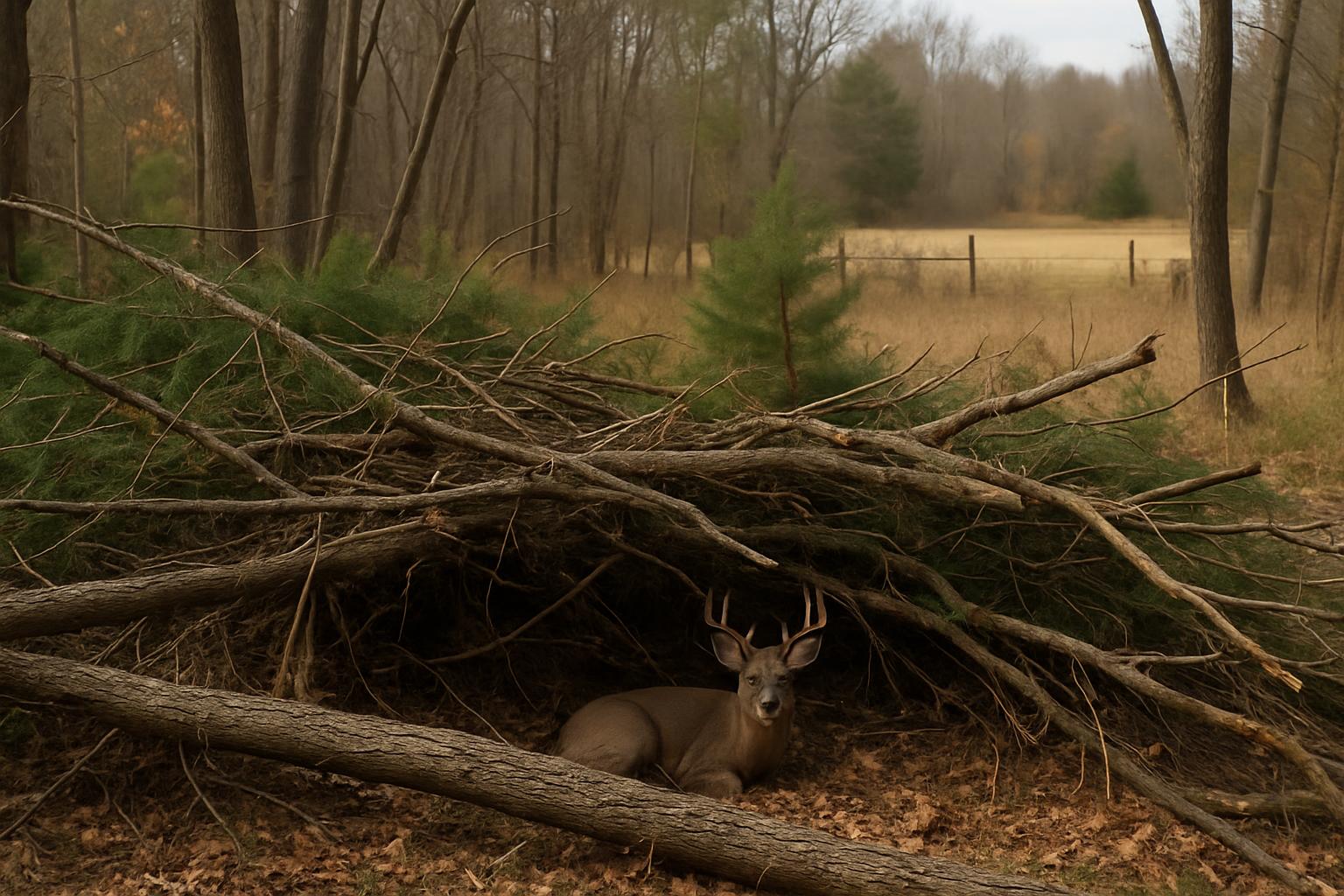
Deer spend more than half of every day bedded down, and where they choose to rest determines how they use the rest of your property. On small acreage, a few well-placed bedding areas can anchor deer to your land, reduce pressure on neighbors, and put animals exactly where you want them come hunting season. This guide covers how deer select bedding sites, how to identify and improve existing beds, and how to create new bedding cover from scratch.
Read full post →
4/26/2026
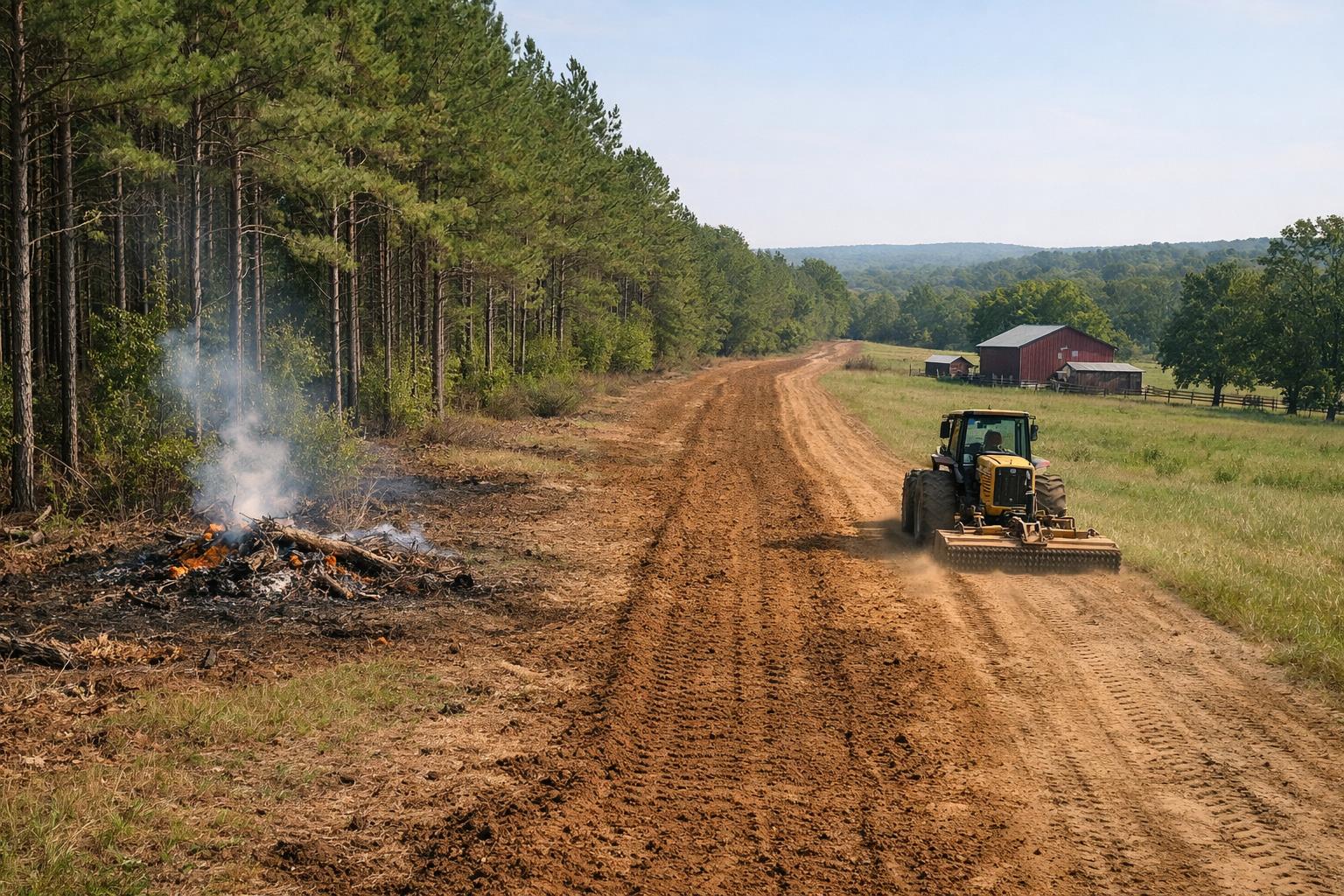
A well-placed firebreak is one of the most versatile improvements you can make to rural land. It protects structures and timber during wildfires, creates the containment lines you need to run prescribed burns safely, and doubles as a travel corridor for wildlife and equipment. This guide covers layout planning, construction methods, equipment choices, and the maintenance schedule that keeps your firebreaks functional year after year.
Read full post →
4/25/2026
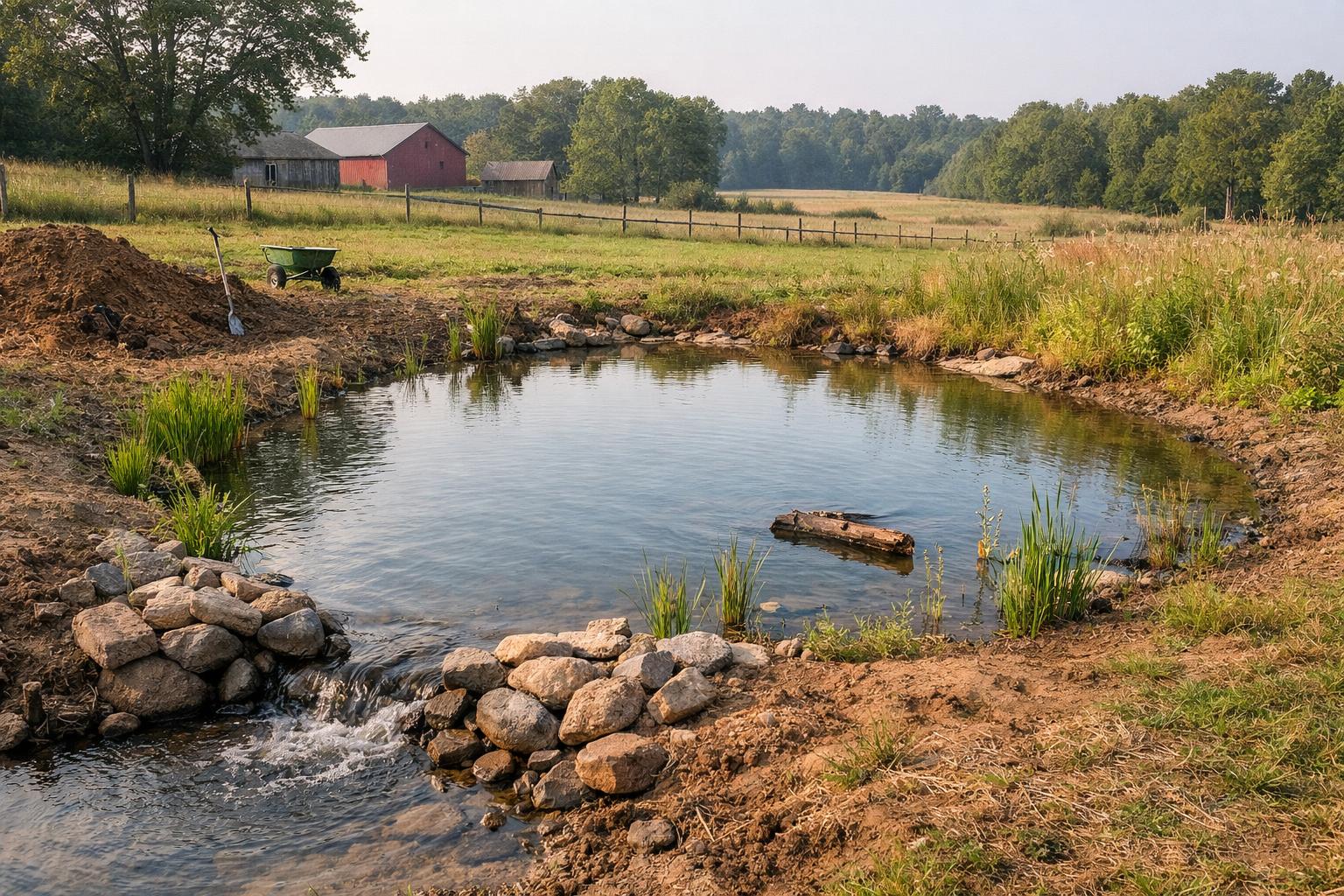
A well-placed pond is one of the most impactful improvements you can make to rural land. This guide walks you through site selection, sizing, excavation, spillway design, and long-term management so your pond holds water, stays healthy, and draws wildlife for decades.
Read full post →
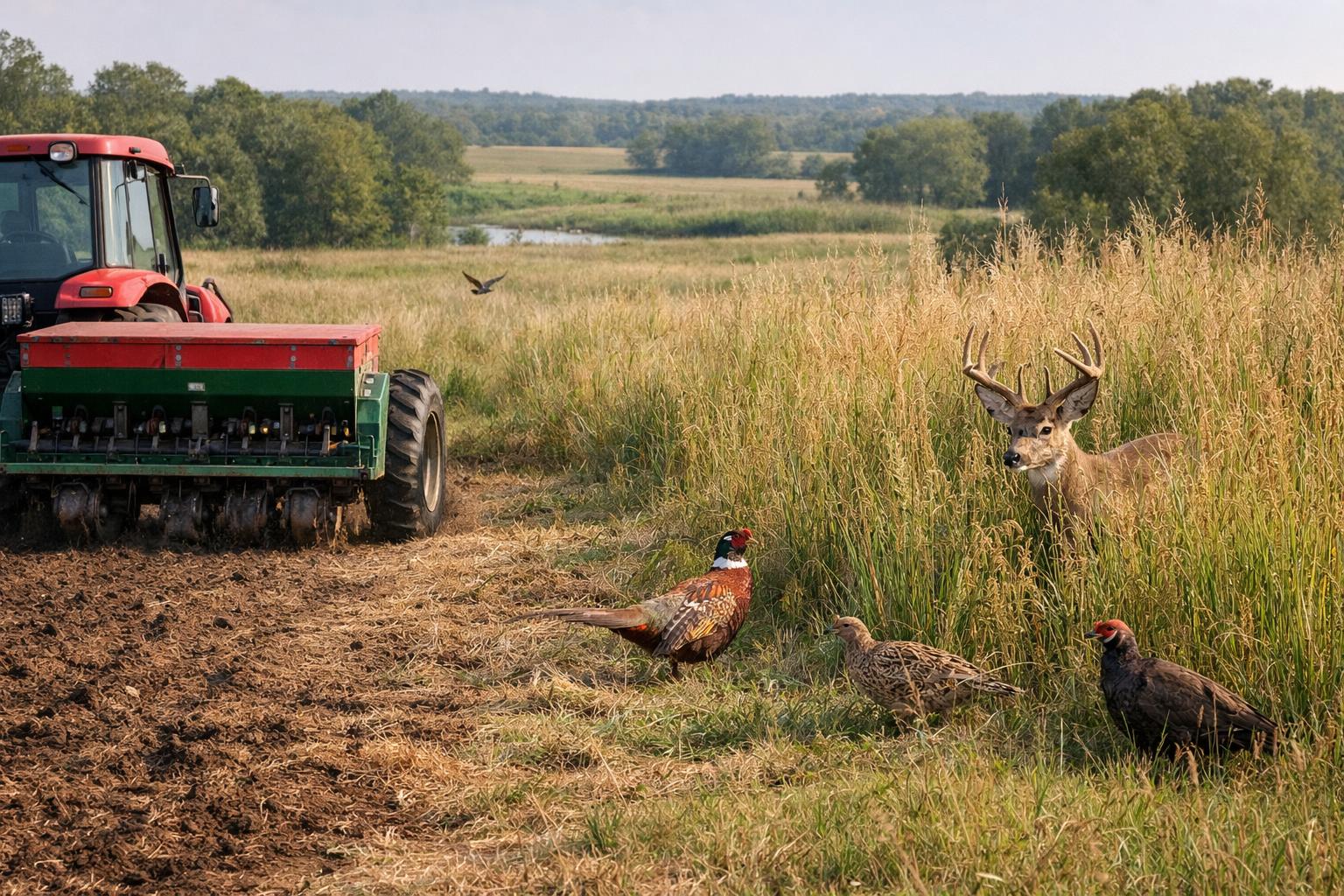
4/24/2026
Native warm-season grasses like switchgrass, big bluestem, and indiangrass create the kind of thick, tall cover that pheasants, quail, turkey, whitetail deer, and songbirds depend on. Here's how to establish them successfully — site prep, seeding timing, and first-year management that actually works.
Read full post →
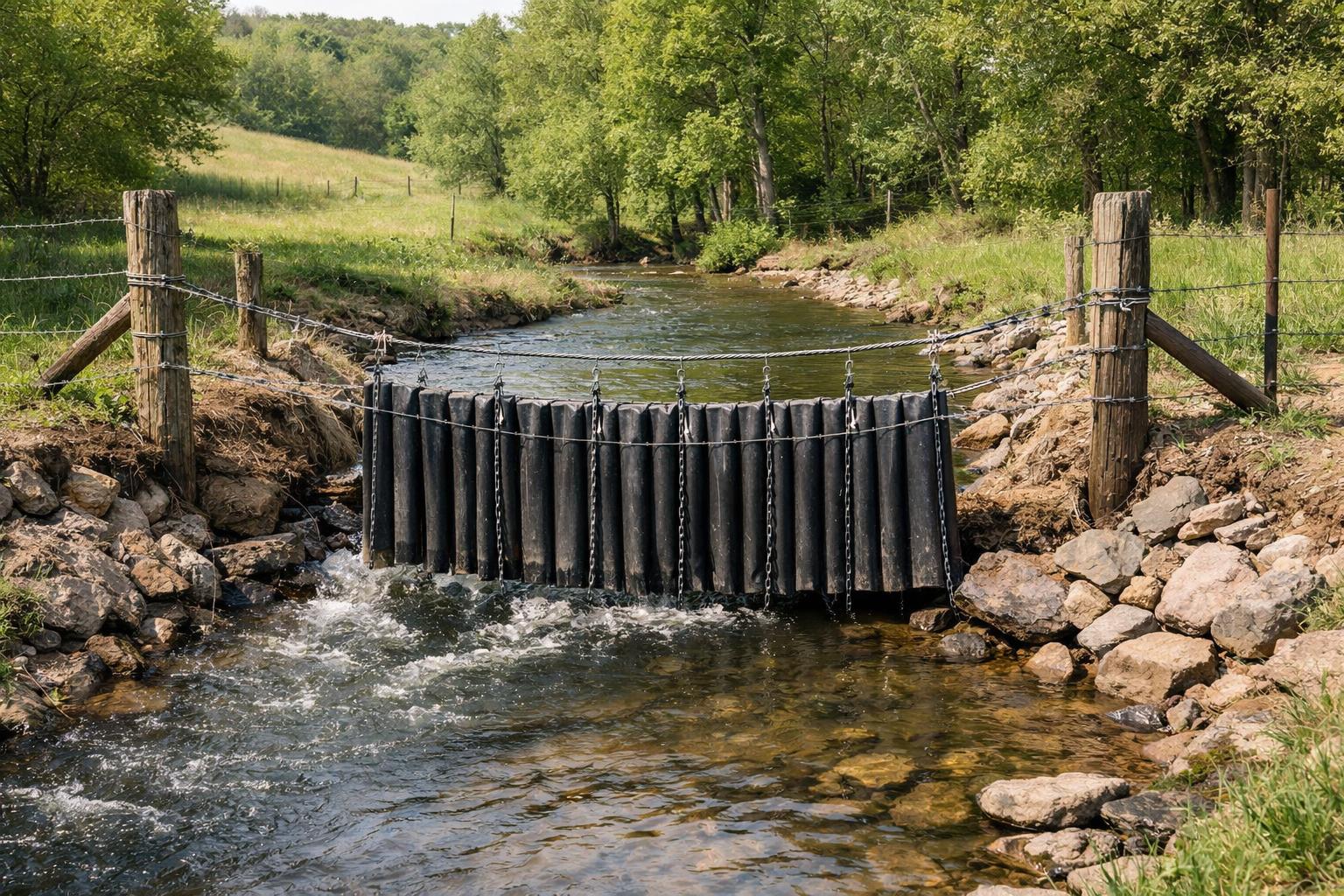
4/23/2026
A water gap keeps livestock in and predators out where your fence crosses a creek or drainage. Learn how to build one that survives high water, holds tight to the banks, and needs minimal repair season after season.
Read full post →
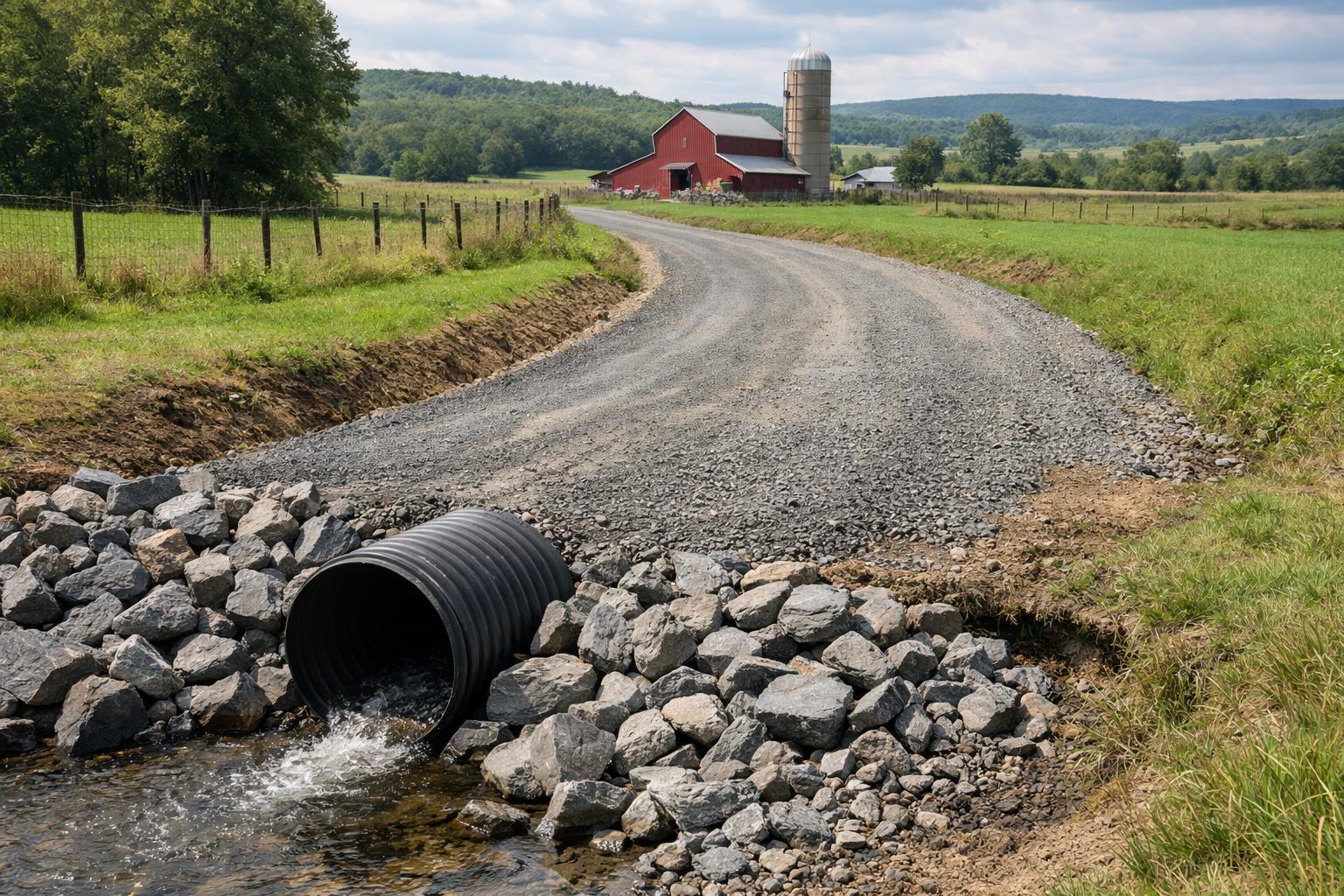
4/23/2026
A poorly built farm road washes out every spring and eats your equipment. Here's how to design and build a gravel access road with proper drainage that holds up for decades — without hiring a contractor for every problem.
Read full post →
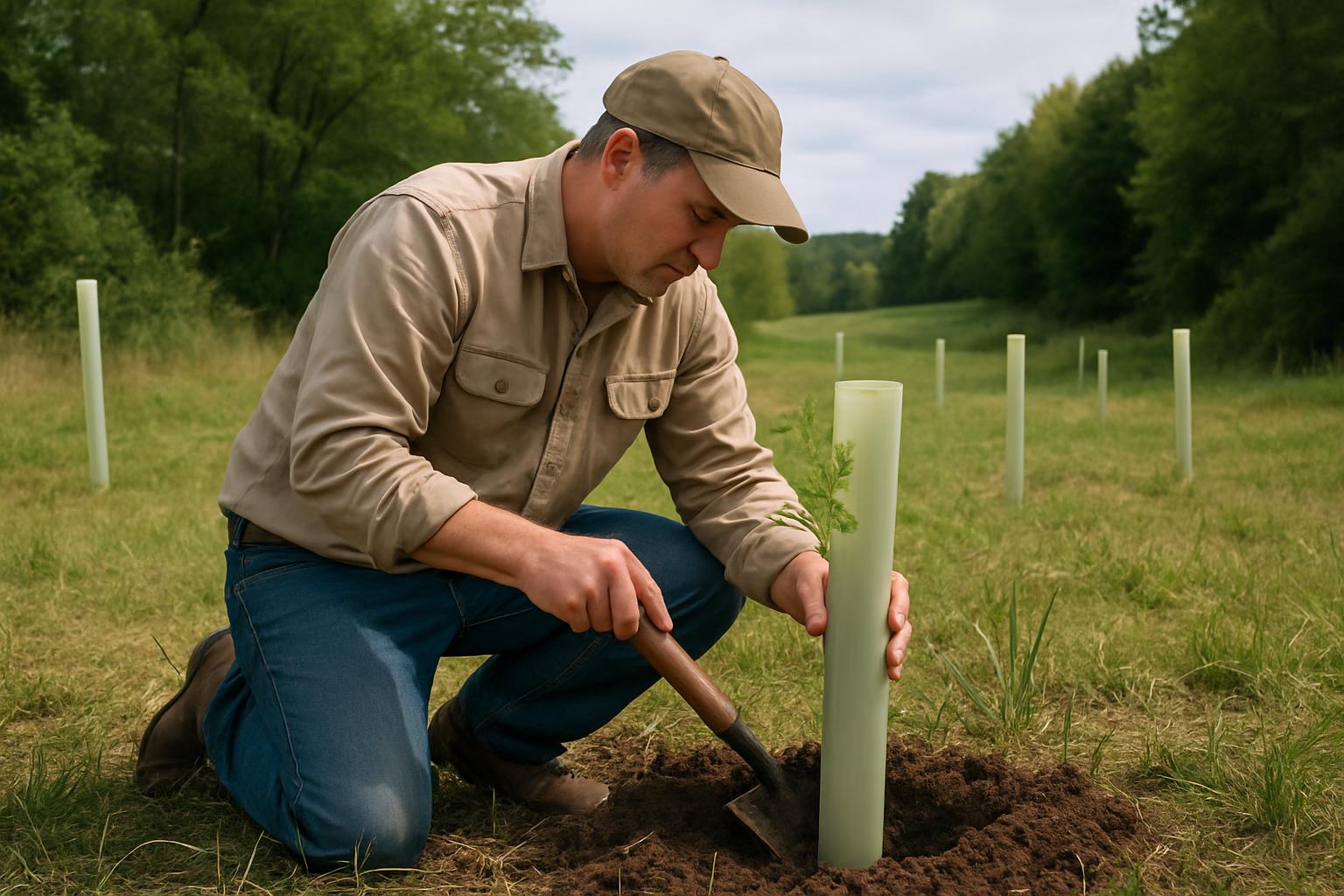
4/22/2026
Planting native trees is one of the highest-impact investments you can make on rural land. Learn which species attract the most wildlife, how to establish them quickly, and what to avoid.
Read full post →
4/20/2026
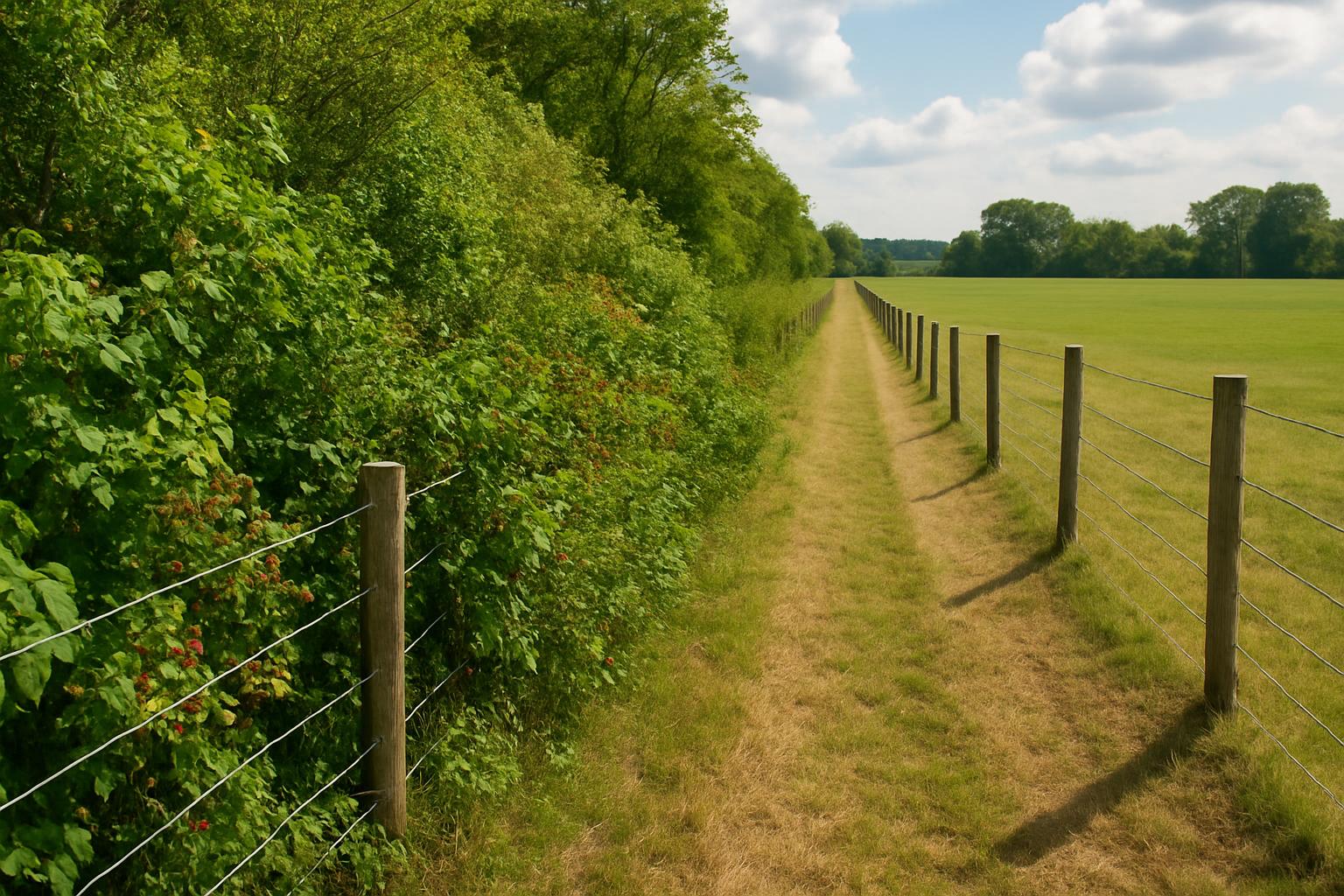
Fence lines are some of the most neglected features on a property, but managed consistently they can reduce annual maintenance, protect your fence investment, and create meaningful wildlife corridors. Here's a practical approach that works whether you're running cattle or managing land for recreation.
Read full post →
4/20/2026
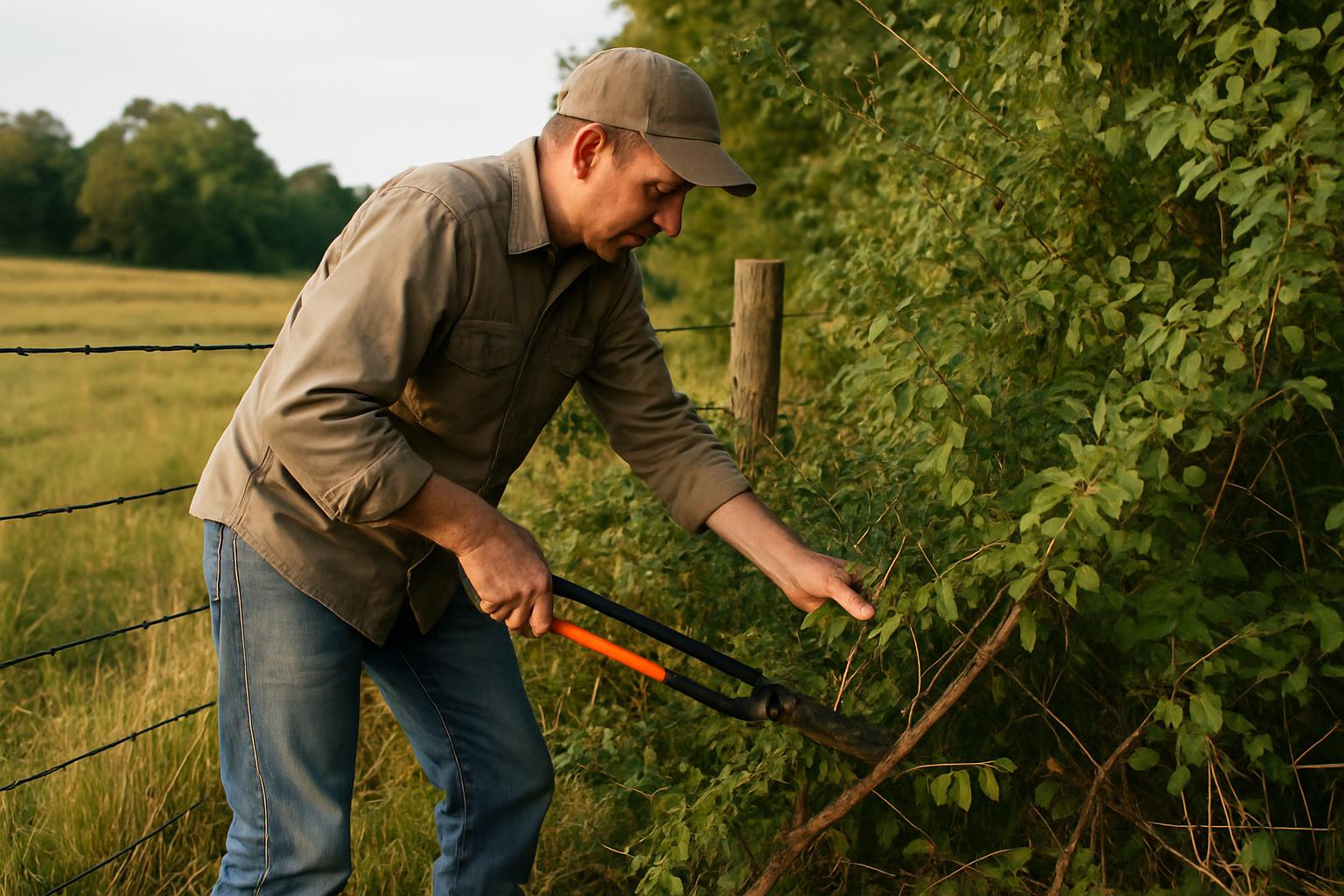
Invasive plants can quietly take over fields, fence lines, and forest edges before most landowners realize there is a problem. Here is how to spot them early and keep them from getting the upper hand.
Read full post →
4/20/2026
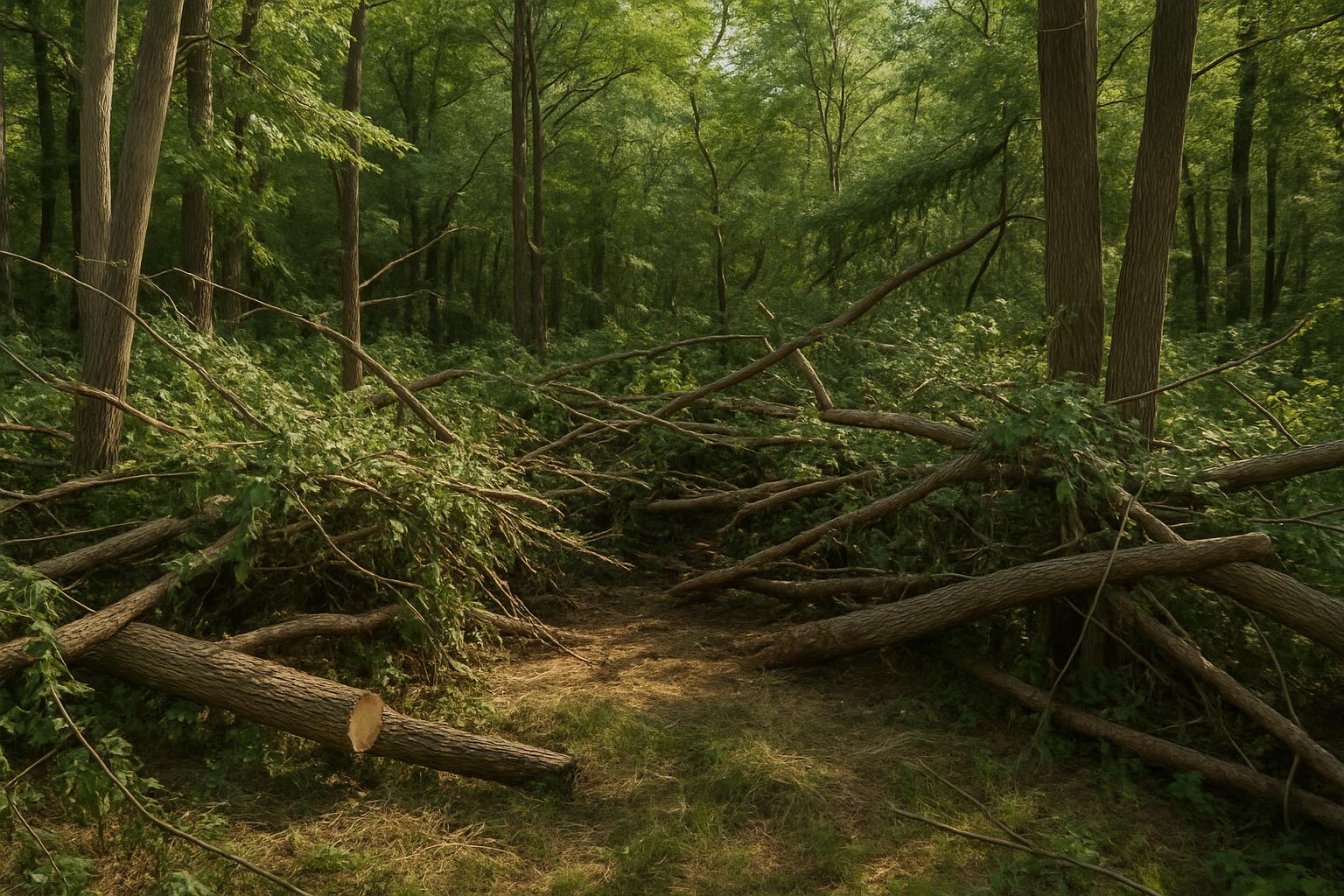
If deer are cutting through your land but not staying, the problem is usually a lack of quality bedding cover. Here is how to fix that with practical habitat improvements.
Read full post →
4/20/2026
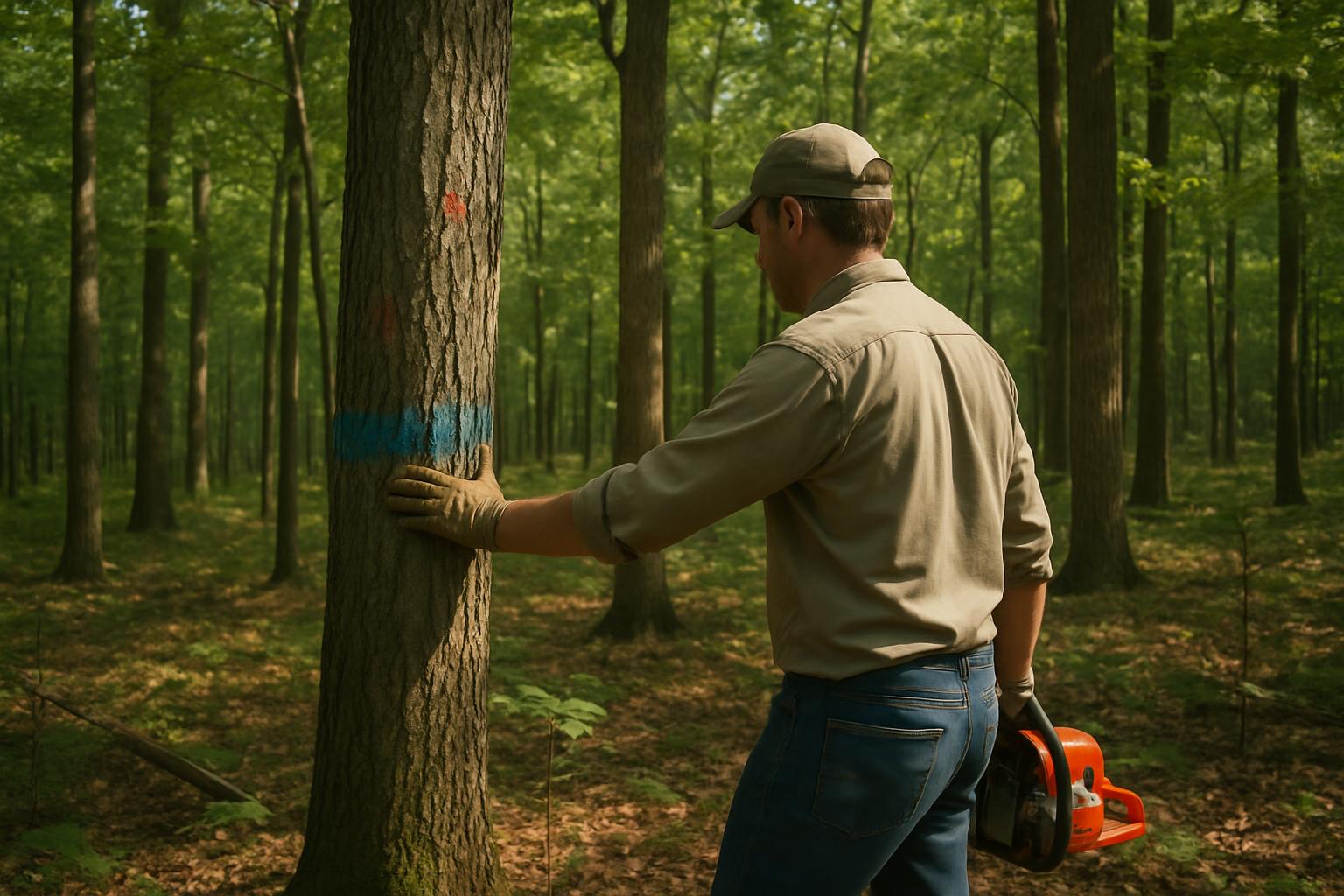
Most landowners with timber are sitting on an underused tool for improving deer habitat and long-term property value. Timber stand improvement takes some work, but the payoff compounds for decades.
Read full post →
4/20/2026
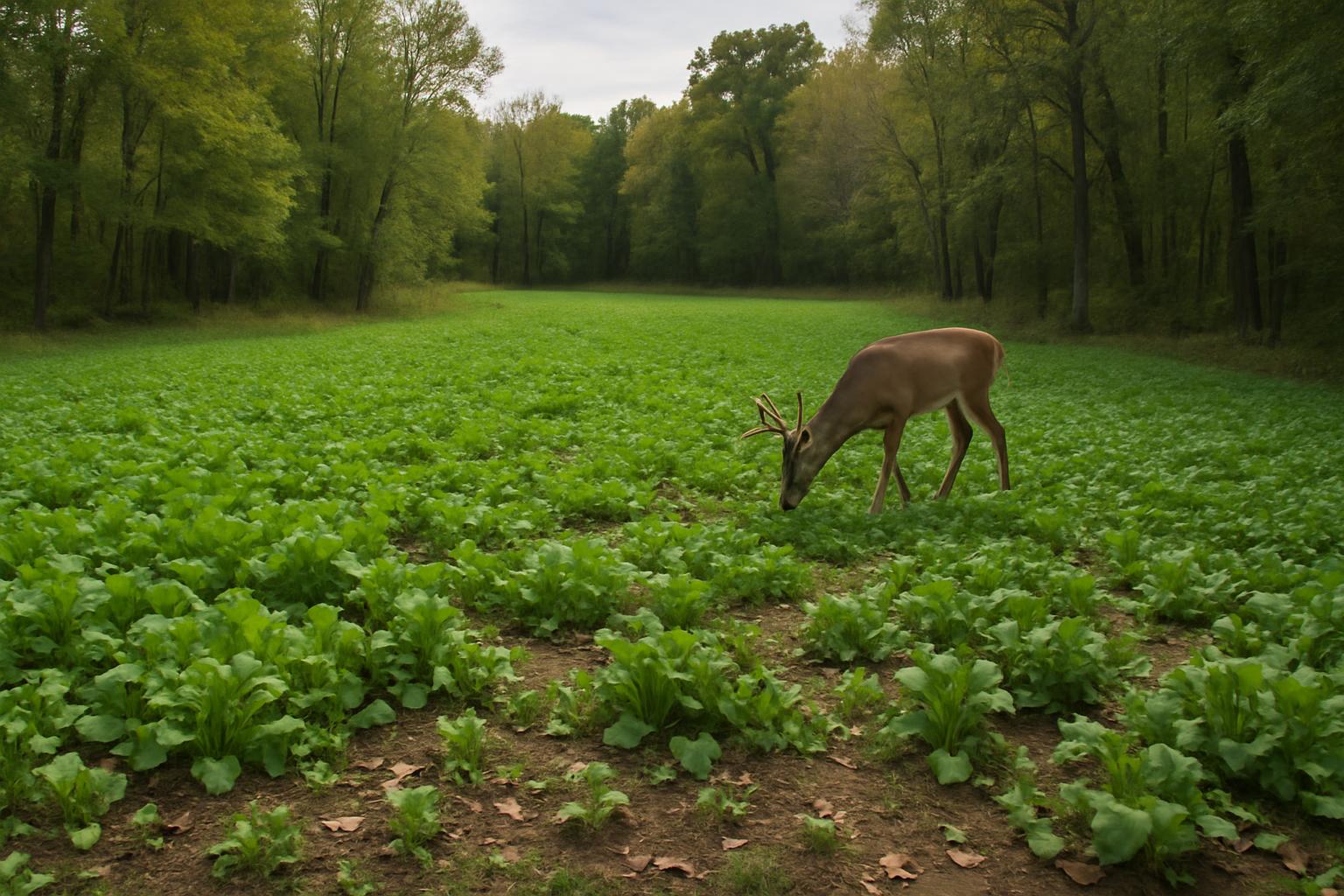
Most food plots fail not because of bad seed, but because of skipped steps and poor planning. Here is how to build one that produces consistent results from the start.
Read full post →
4/20/2026
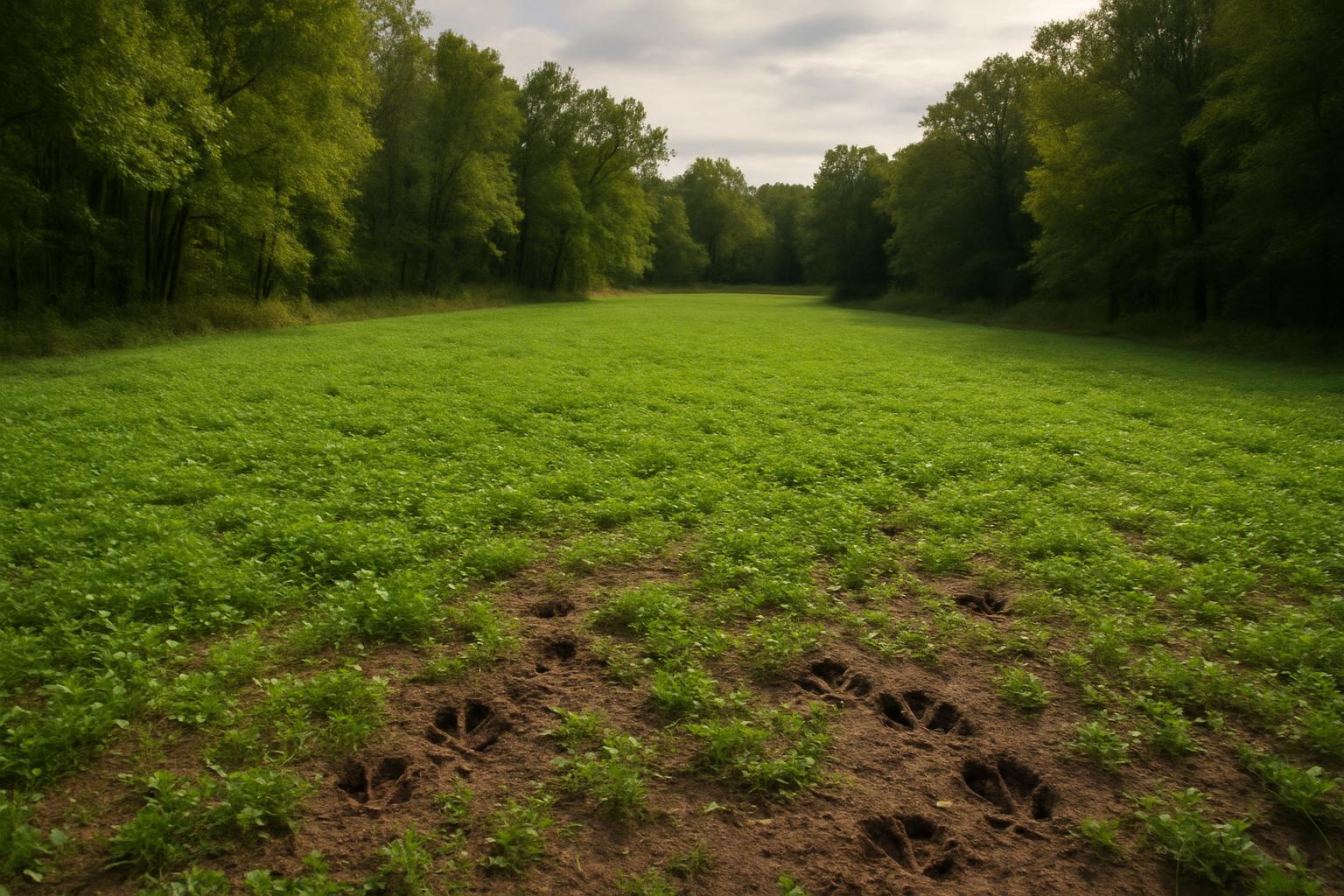
A well-placed food plot can improve deer numbers on your land without costing a fortune. Here is how to get it right the first time.
Read full post →